The Old Town of Kotor, its fortifications, and the surrounding villages have been widely publicized ever since Kotor repeatedly appeared on Lonely Planet’s lists of top places to visit.
The wider Boka Kotorska Bay area offers some truly remarkable experiences for nature lovers as well. Through a non-profit initiative called BETSA (Birdwatching and Eco Tourism of the South Adriatic), we had the opportunity to work with environmentalists and authentic local tourism providers. These are our top five highlights for nature lovers:
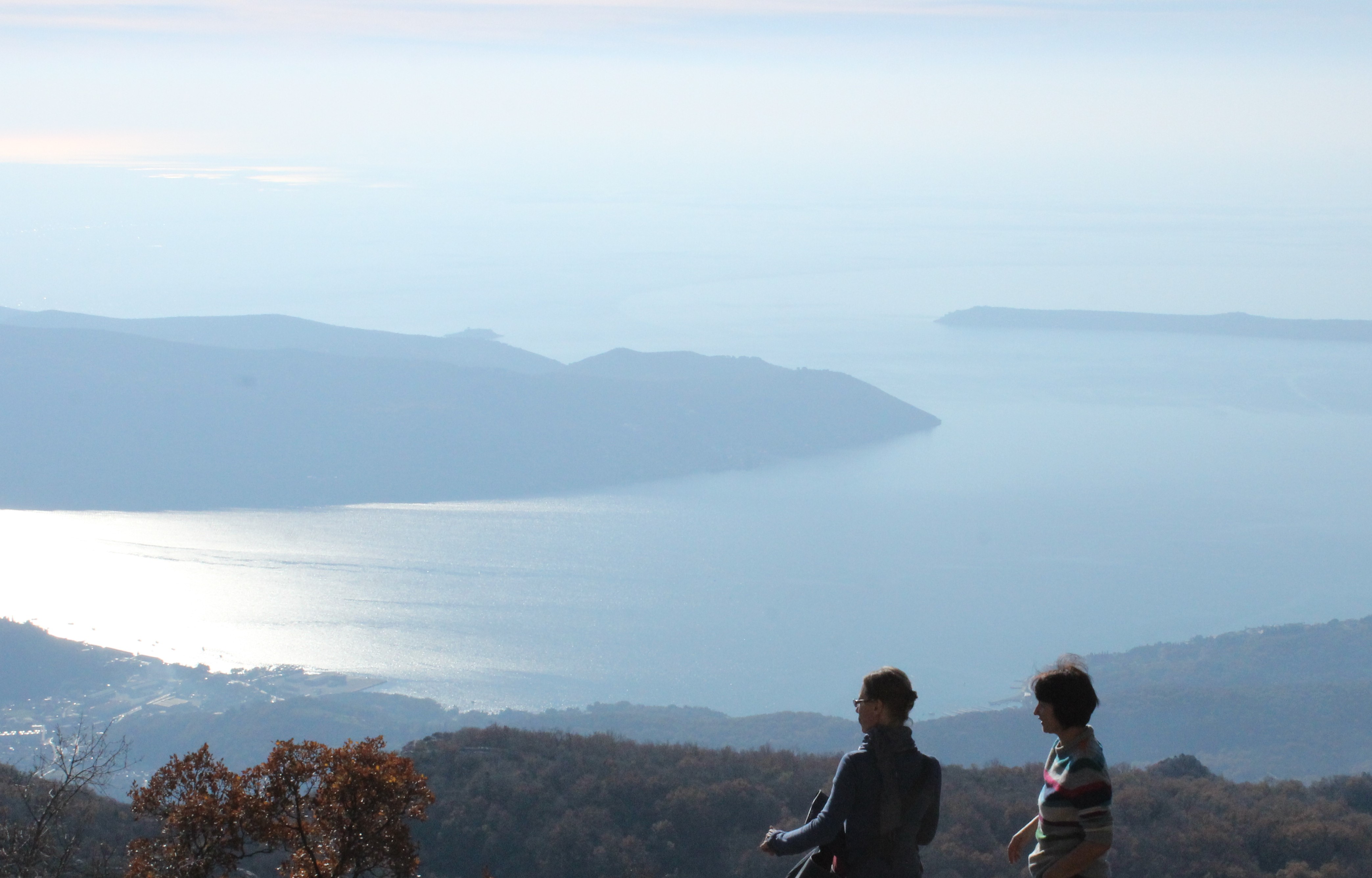
View from Orjen; Photo: Miljan Novaković
1. Tivat Salt Pans
The Tivat Salt Pans, an ornithological reserve protected under the Emerald Network and listed as a Ramsar site, are a unique biodiversity gem. The most nature-friendly ways to explore the area are by kayak from Tivat, by bicycle or on foot via a 3-kilometre trail starting near Tivat Airport.
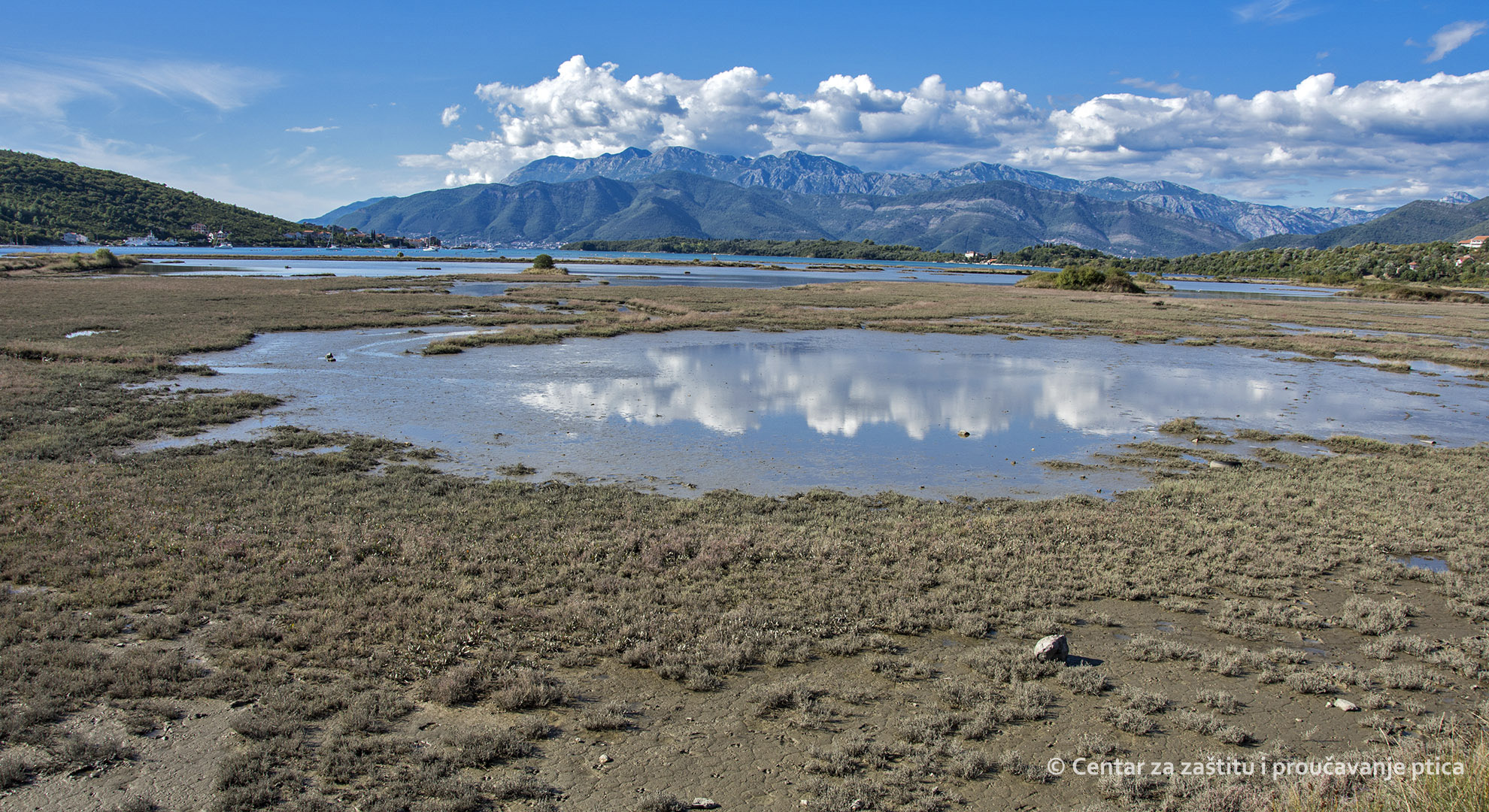
Tivat Salt Pans; Photo: CZIP
The natural and cultural heritage of the Tivat Salt Pans is presented by young, enthusiastic guides from the Center for Protection and Research of Birds (CZIP), a non-governmental organization that runs an information point on site. A wide variety of birds can be observed throughout the year, including herons, several species of ducks, coots, snipes, woodcocks, cormorants, gulls, ibises and many more. In spring, the scenery becomes especially impressive, as large flocks of European water birds pass over the salt pans during their migration.
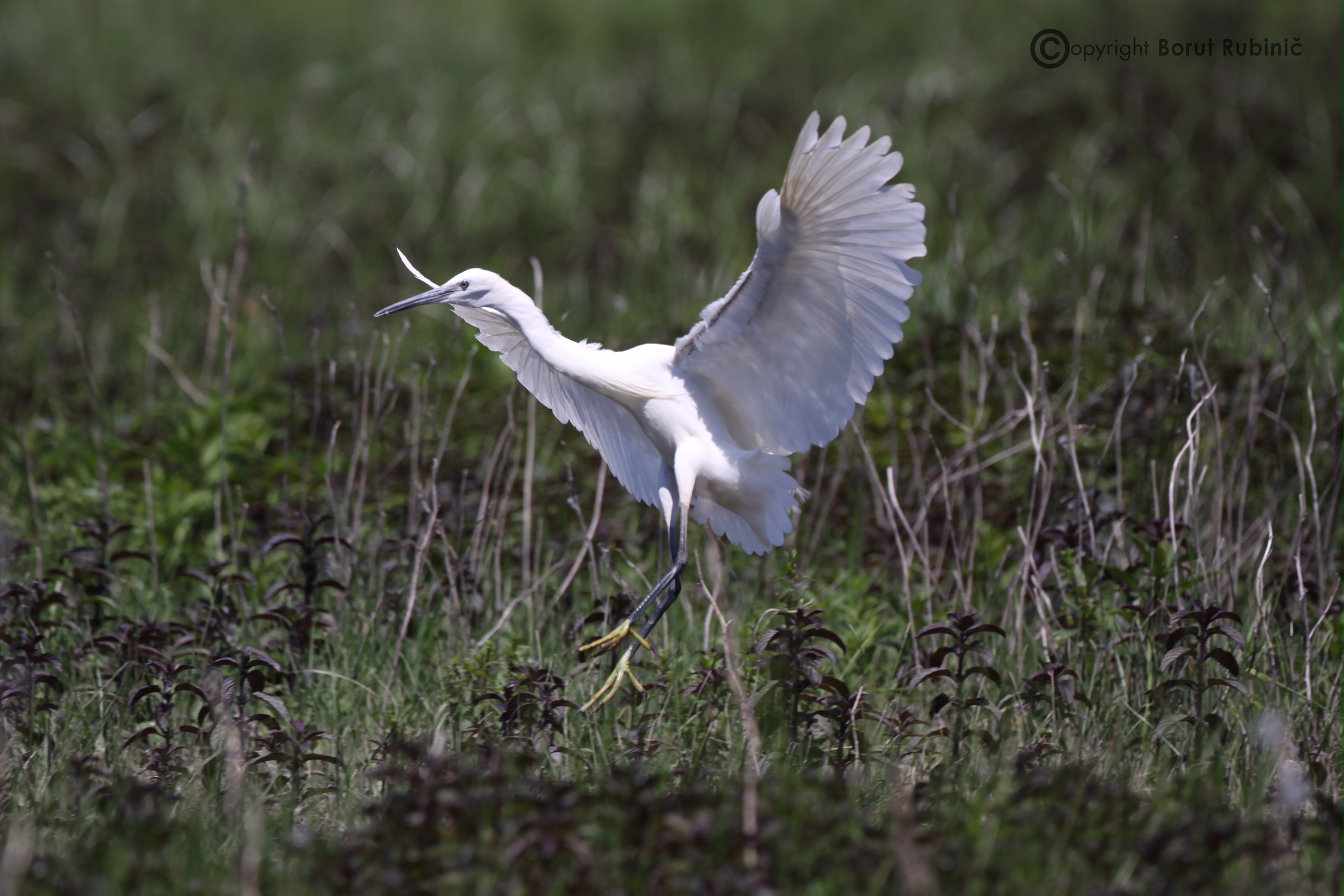
Little Egret on Tivat Salt Pans; Photo: Borut Rubinić
We recommend visiting the reserve either early in the morning or later in the afternoon, just before sunset, when the light over the salt pans becomes truly spectacular.
2. Exploring Mount Orjen
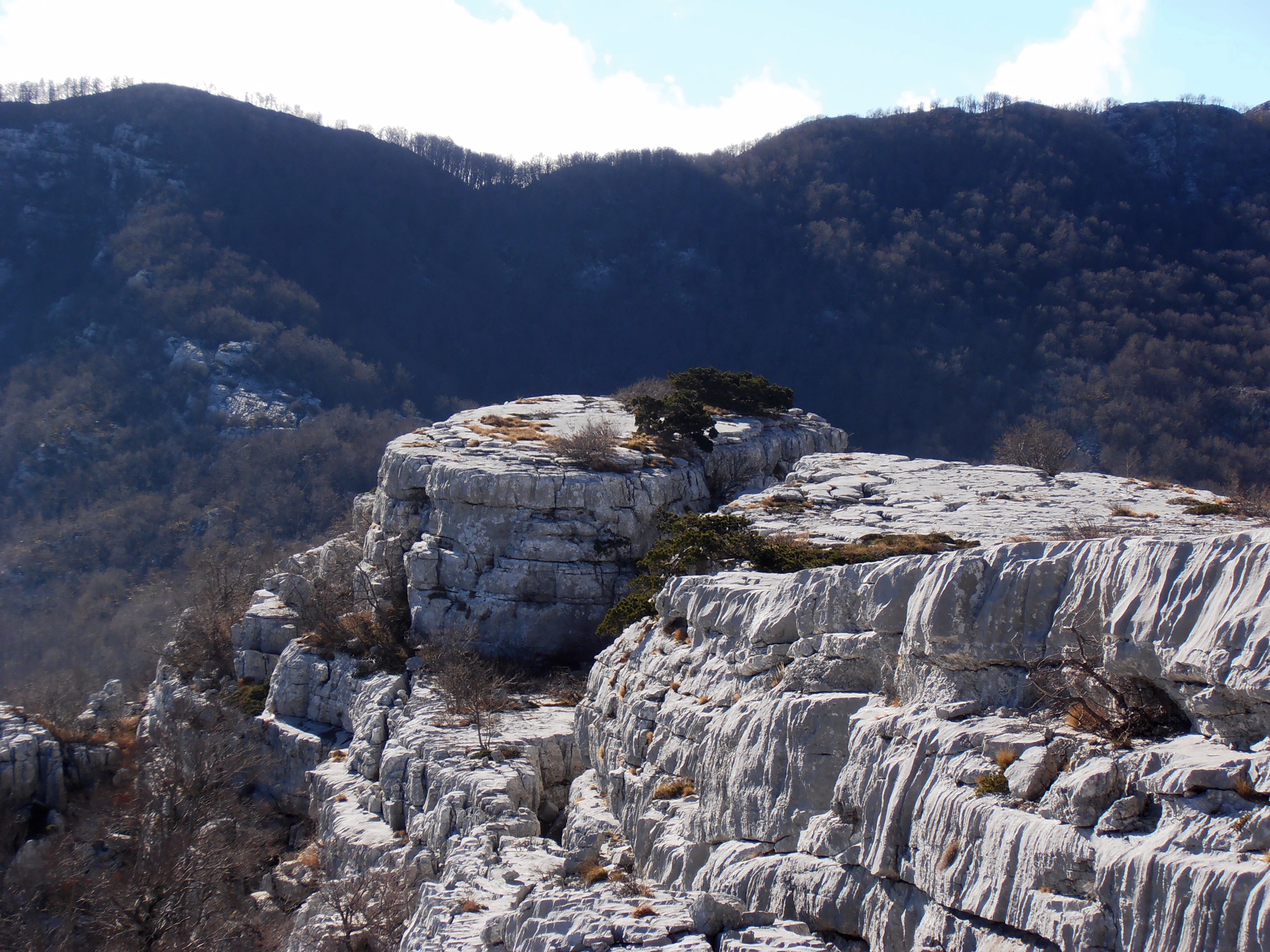
Vilino Guvno on Orjen; Photo: Željko Starčević
Orjen is the highest mountain range in the Mediterranean region of the Dinaric Alps, and the area has recently been declared a regional park. The first mountaineering trails, along with several fortifications, date back to the 19th century, during the Austro-Hungarian era. The plateaus beneath Subra are majestic examples of karst microrelief, while the “Subra Amphitheatre” stands out as one of nature’s most remarkable sculptural creations. Numerous speleological sites are scattered throughout the area, adding to Orjen’s wild and mysterious character.
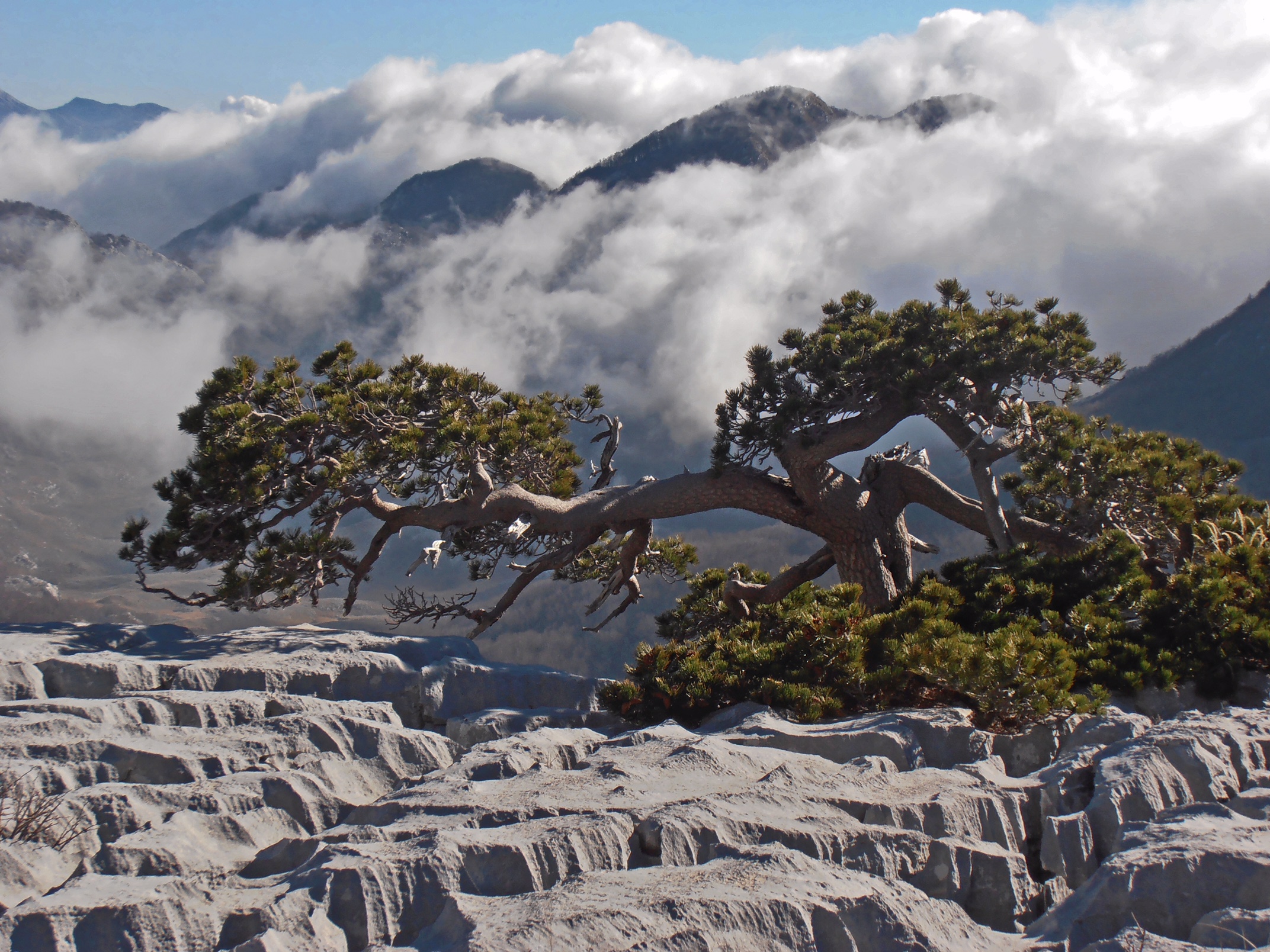
Unique Bosnian Pine on Orjen (Pinus Heldreichii); Photo: Željko Starčević
The best way to begin exploring the mountain is from the edge of Herceg Novi, at Matkovića Most, near the village of Matkovići on the road from Herceg Novi to Trebinje.
From there, a one-hour hike along a stony trail leads to the Kotobilj forest. Afforested in the 1930s, this area remains an almost untouched oasis of mixed stands of Bosnian pine and cypress, offering a rich and quietly layered landscape. The surroundings hold much to discover. A visit to the small churches of St. Peter and St. Paul, as well as the Church of St. Stephen, is especially rewarding. It is also worth taking the path up to the so-called “Secret Hill,” which rises above the village of Kameno. Once a military fortress, it now offers a compelling blend of history and nature. From its summit, some of the finest views over the bay can be seen, along with flocks of migratory birds during the spring and autumn passages.
On the way back, a little village Trebesin is also worth visiting. Its name is said to derive from the French expression of admiration, “très bien.” Here, a delicious traditional meal can be enjoyed in a local konoba.
3. Moonlight in Žlijebi Village
The small, almost abandoned Dinaric village of Žlijebi is known for its unique stone houses with interlaced limestone roofs. Everything here is built from stone—poultry houses, paths, walls and, unsurprisingly, the Church of St. Nikola too. Nikola Sikimić, a local master stonemason, is one of the few remaining craftsmen who can demonstrate how limestone slabs are carefully gathered by hand so they do not break. With great care and deep respect for the village’s heritage, he has restored a beautiful complex of traditional houses, now open to visitors.
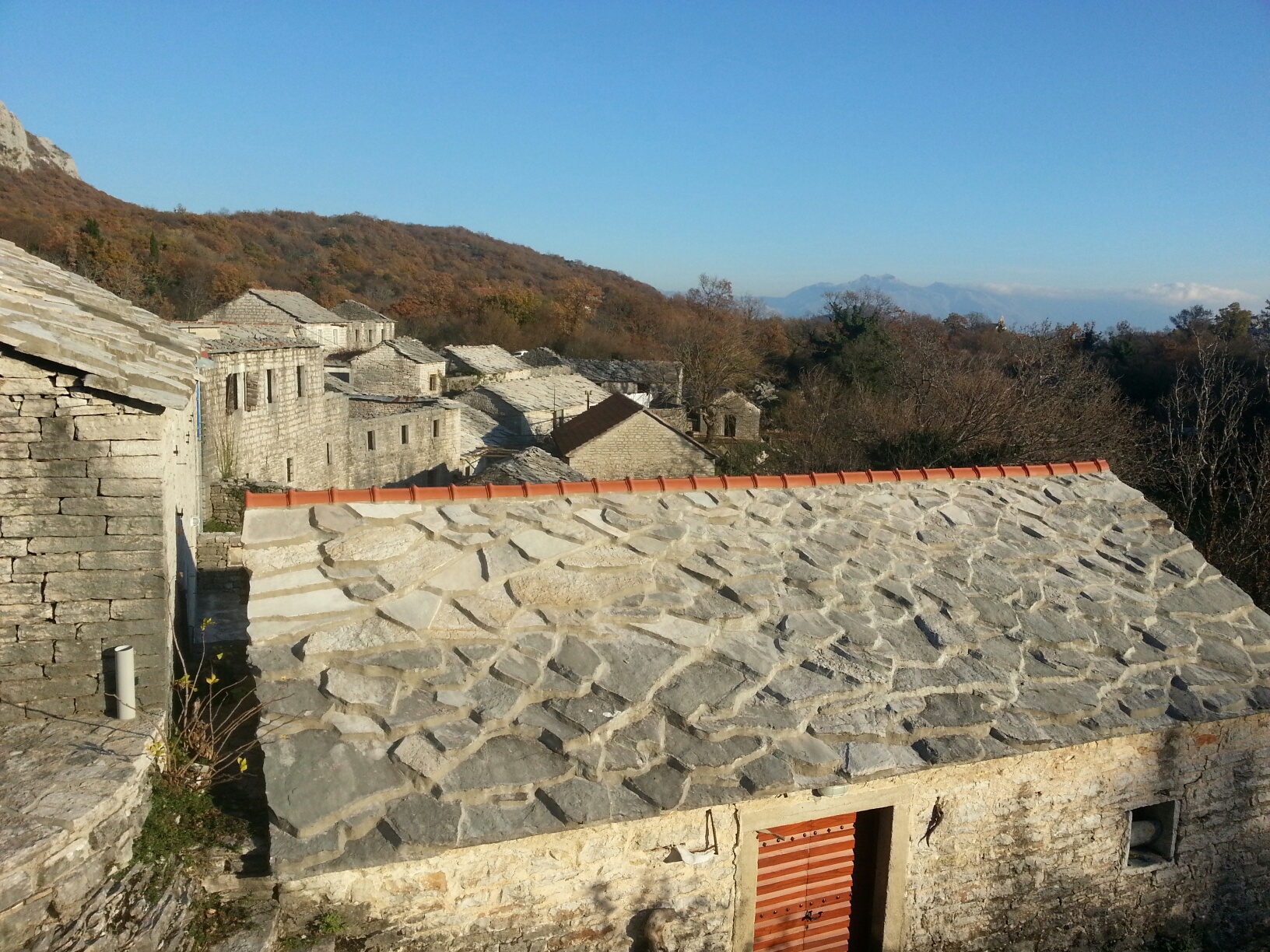
Žlijebi Stone Houses; Photo: Tadeja L. Colnar
More than anything, Žlijebi offers simplicity and peace. On a full-moon night, the entire village seems to glow, its stone surfaces catching and reflecting the light in a quiet shimmer. Truly unforgettable!
4. Hiking Vrmac
Mount Vrmac is a peninsula dividing Kotor Bay from Tivat Bay. On the Kotor side, it forms part of the UNESCO World Heritage area, while on the Tivat side it is designated as a regional park. A network of marked trails, once connecting settlements and Austro-Hungarian fortifications, now leads hikers through landscapes that open onto spectacular views over both bays.
There are several ways to explore Vrmac on foot. For those seeking an easier hike, a 4–5 hour trail begins at the Austrian fortress and follows the slopes of Vrmac to the highest peak, Sveti Ilija (St. Elijah, 785 m a.s.l.). From there, the panoramic views over the Kotor and Tivat Bays are especially striking.
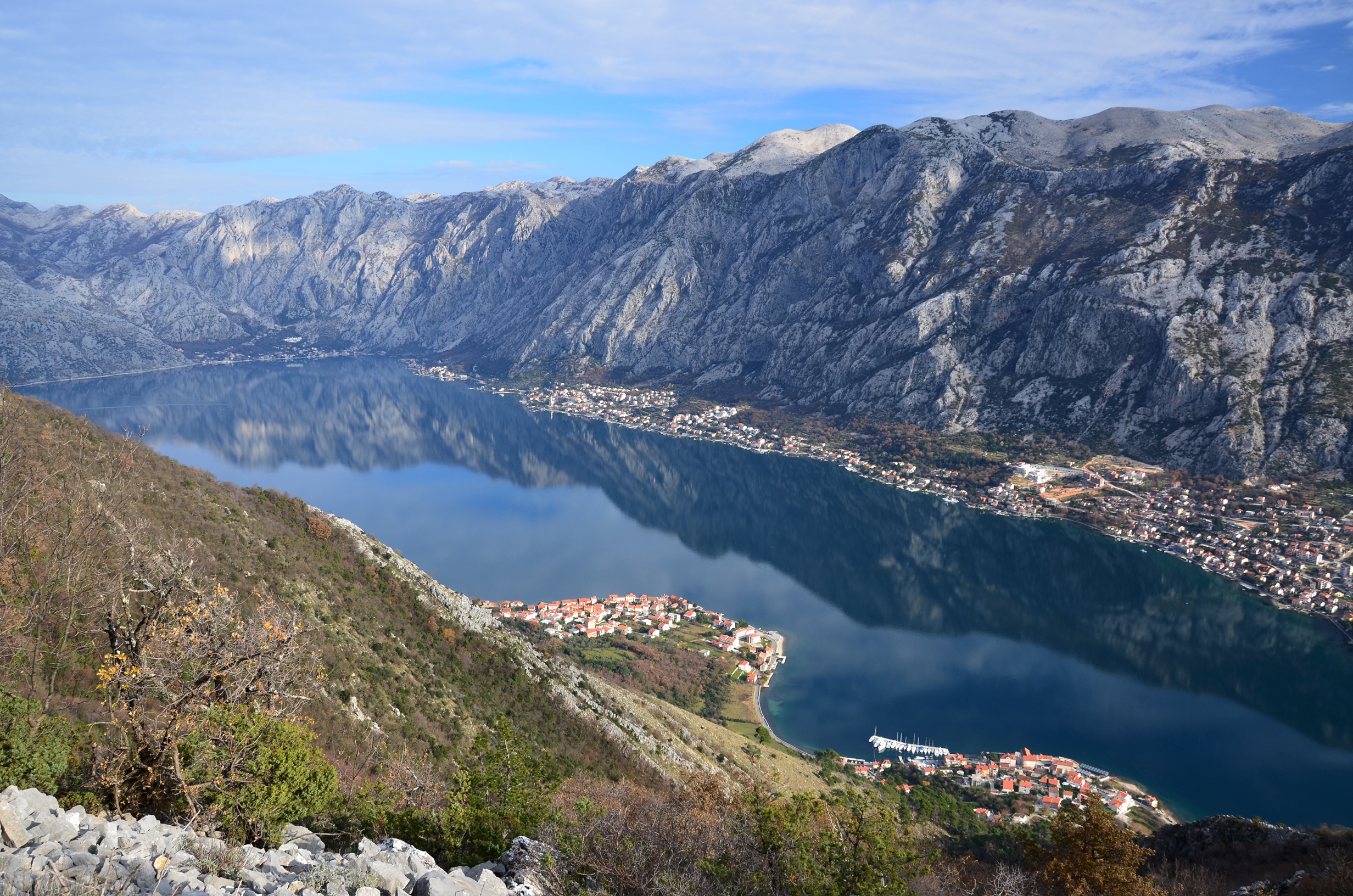
View from Vrmac; Photo: Klaudio Katelan
There is also the option of longer hikes, starting in the Old Town of Kotor and continuing across Vrmac all the way to the village of Gornja Lastva. Local guides can help you with this route. Along the way, it is worth paying attention to the drumming sounds of woodpeckers, whose presence is a sign of highly preserved forests in this area.
Vrmac is attractive in every season. The Camellia Festival brings a spring overture to the festivities of Boka, celebrating a flower that symbolizes maritime tradition and the region’s long-standing connections with the wider world. Summer is marked by the Upper Lastva Festival, when the village comes alive with cultural events and gatherings. In late autumn and early winter, chestnuts take centre stage during the Chestnut Festival in Donji Stoliv—an astonishing reminder of how many culinary delights can emerge from a single ingredient.
5. Kotor Town Walls
Although one of Kotor’s best-known attractions, a walk along the city walls above the Old Town remains essential. Setting out at sunrise helps avoid the crowds and adds a special quality to the experience. Nature lovers, however, may choose a slightly different approach: at the very top, near the Fortress of Sveti Ivan (St. John), an unmarked path continues through “the window” towards the village of Špiljari.
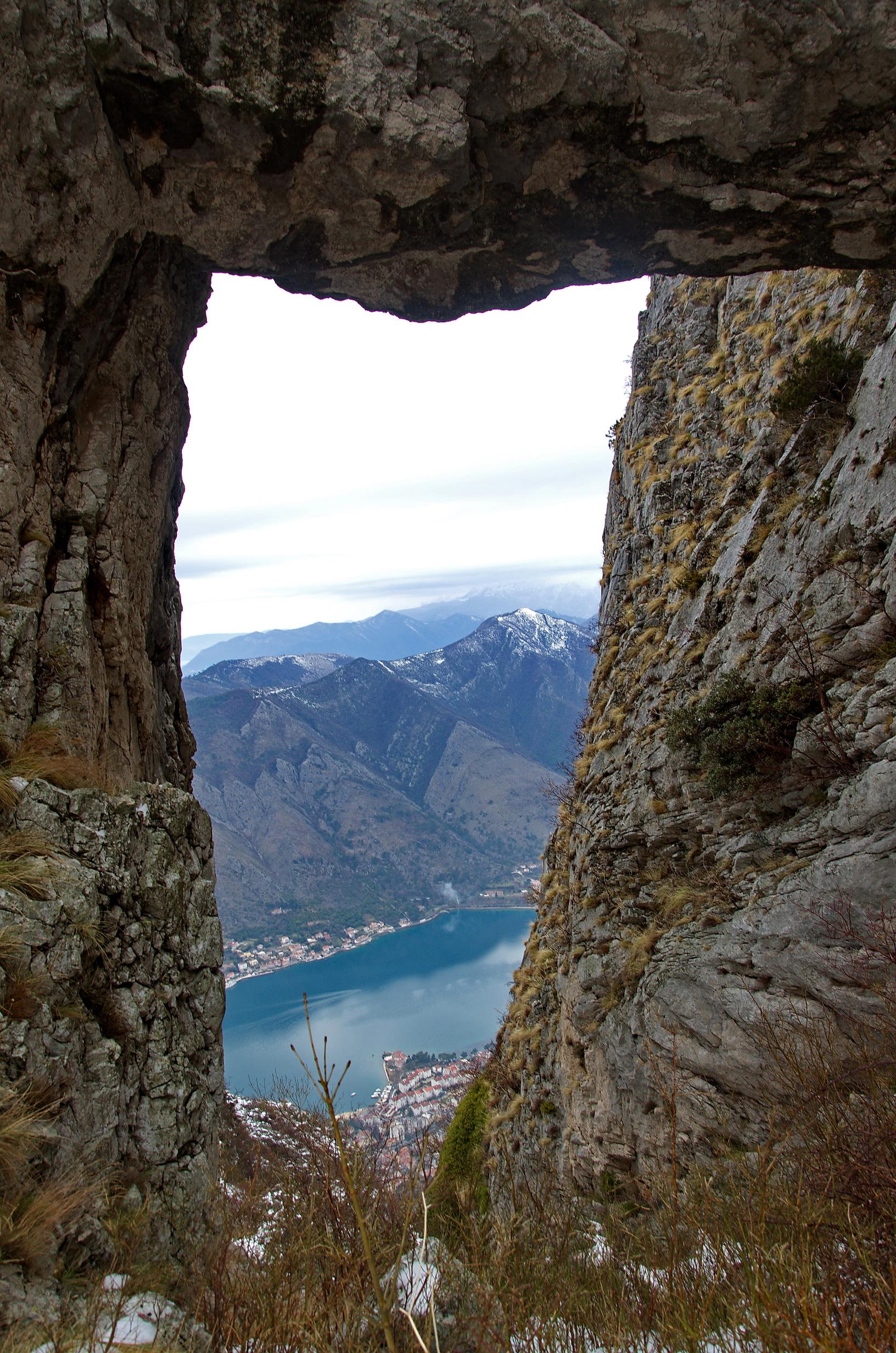
Fairy’s Doors; Photo: Klaudio Katelan
Perhaps a small village bar is open, offering a quiet place to rest and reflect at the end of the journey. Here, you might taste the best pomegranate juice you have ever had, served simply, but with unmistakable care, while sitting in traditional Montenegrin chairs overlooking Vrmac, the Old Town, and the sea beyond. In that moment, the landscape unfolds once more—subtle, timeless and quietly unforgettable.