Author Archives: Tadeja

7 Half-Day Trips from Podgorica

Though a small country, Montenegro has been blessed with cultural richness and immense natural beauty. Its capital Podgorica is rarely chosen as a primary tourist destination, however its central location can be a good base for exploring the country.

Whether you’re visiting on your own or with family and friends, here are my picks for 7 half-day trips. You can either take them in the morning, or in the afternoon and still be back early enough to attend your meetings or experience the buzzing nightlife of the Podgorica city. No ranking here, each of these trips has a charm of its own.

Skadar Lake and Rijeka Crnojevica

Skadar lake is an ancient tectonic lake. Numerous scientific studies have revealed that several European freshwater animal species originate from there. Skadar lake is also one of the largest bird reserves in Europe and, among other birds, pelicans can be spotted there.
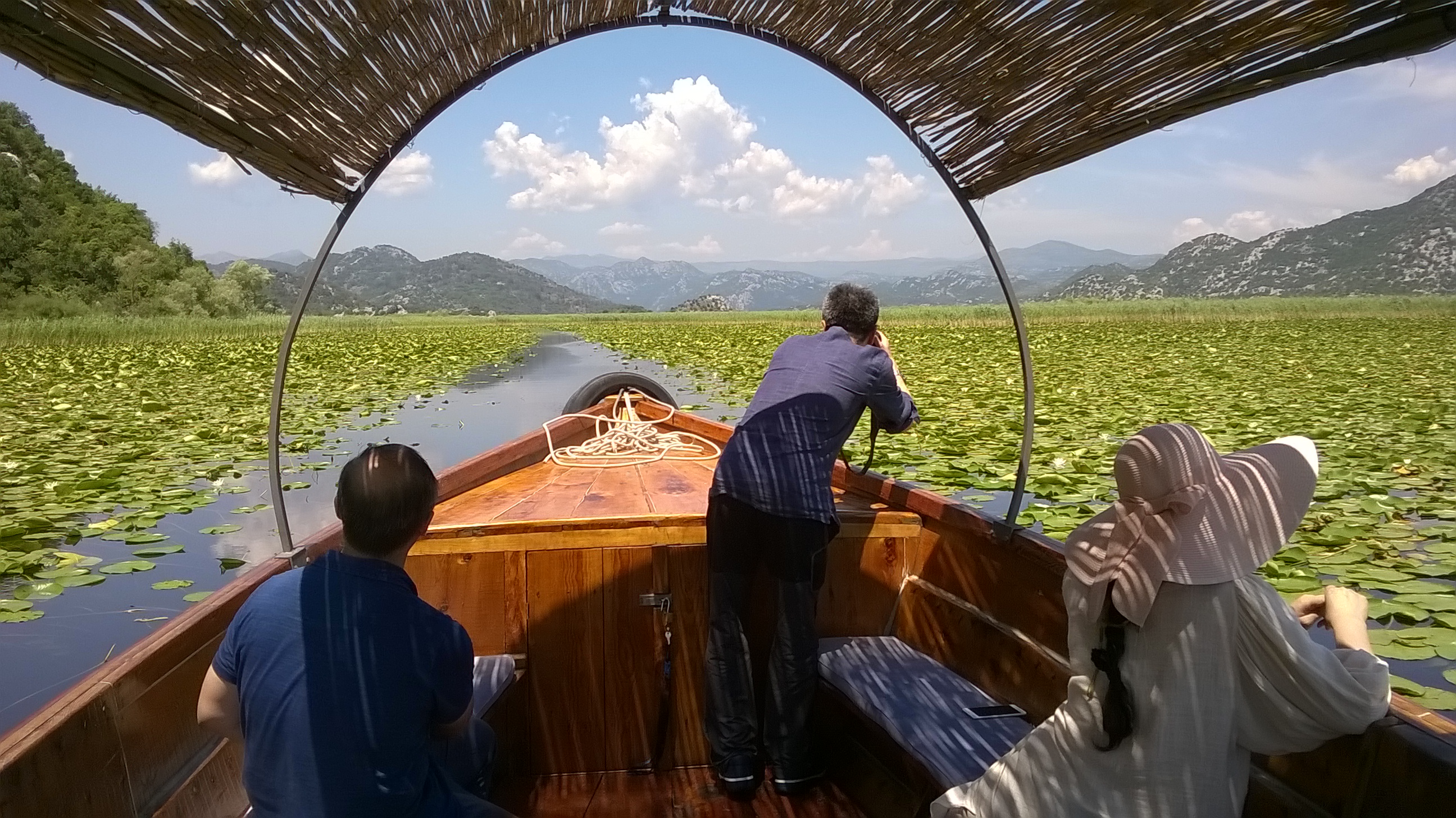
Skadar Lake Boat Trip; photo by Nino M. Markovic

Skadar Lake; Photo by Nino M. Markovic

Skadar Lake boat trips, lasting from 2 to 6 hours, are bringing a new dimension to out-of-town getaways. Silent boats, sliding over the beautiful lake, covered with waterlilies and other aquatic plants, are circling tiny islands, called Gorice, Mala & Velika Čakovica, Andrijska Mountain and Grmožur, the latter also known as the Montenegrin Alcatraz. Yet another trip will take you to the magnificent Kom Monastery, built between 1415 and 1427. In hot summer days you might want to combine a boat trip with a short hike to the waterfalls in nearby Poseljani and jump into fresh waters. Birdwatchers will enjoy Dodosi, delta of the river Morača and above all, Manastirska Tapija, an ornithological reserve.

Biodiversity protection is of vital relevance to the lake and we recommend a trusted nature-sensitive boat operator Skadar Lake Boat ‘Milica’.

An alternative heritage & culinary colored trip can be experienced by visiting another town on the shores of the lake: Rijeka Crnojevica – hiking or biking to a couple of traditional villages and tasting an authentic meal either at ‘gumno’ or ‘konoba’. The ‘wine route’, as well as, the ‘cheese road’ call for unique experiences. 

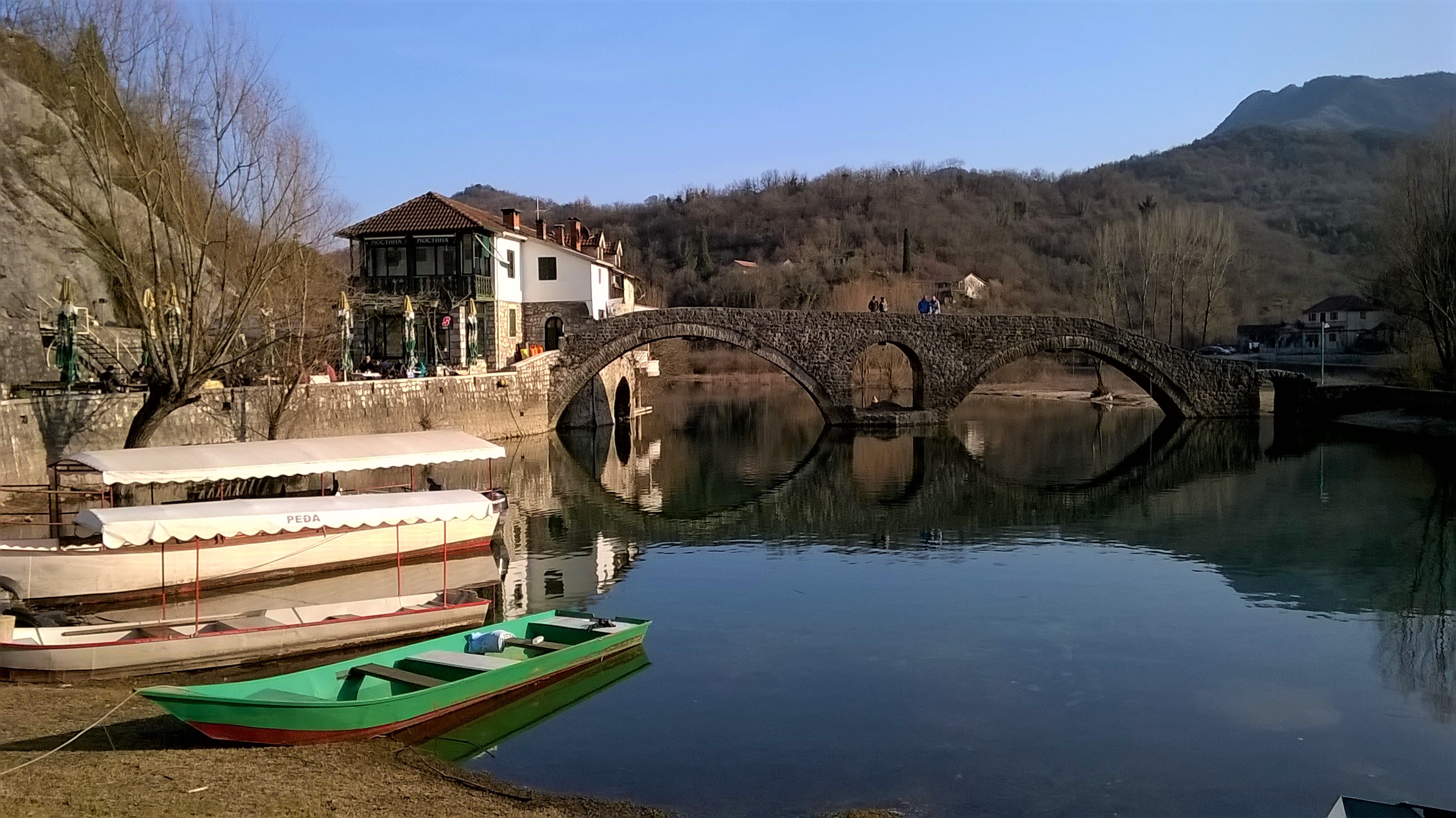
Rijeka Crnojevica; Photo: Nino M. Markovic

Rijeka Crnojevica; Photo: Nino M. Markovic

Donkey Farm Martinici

Donkeys have a special place in Montenegrin rural heritage. However, modern agricultural technology replaced them. Darko Saveljic, the ‘founding father’ of the farm, is a passionate nature lover who saved several indigenous female donkeys (jennets) from maltreatment and abandonment by opening his farm. Martinici Donkey Farm is probably one of the most nature-friendly donkey farms in the world.
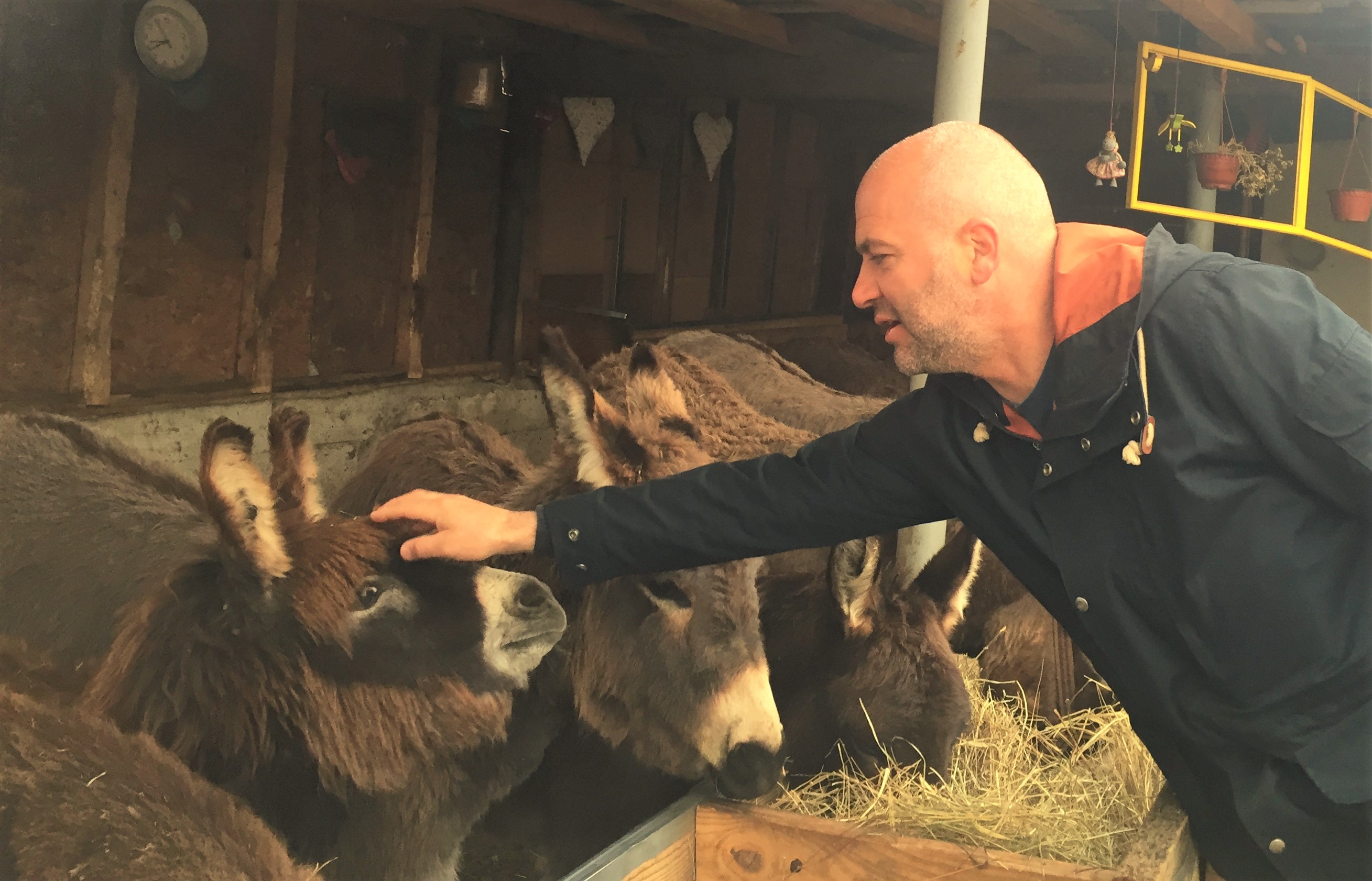
Donkey Farm Martinici; photo by Tadeja L. Colnar

Donkey Farm Martinici; Photo by Tadeja L. Colnar

Only a 20-30 min drive from Podgorica brings you to a great place for children (and adults) to see these animals, learn about beneficial effects of donkey milk, enjoy the countryside and get inspired for nature protection. Donkeys are also great ‘therapists’. Children will certainly enjoy touching and combing them and designing funny hairstyles from their hair. Free hippo-therapy can be individually arranged for children with symptoms of autism.

The farm is open every Sunday 10.00-13.00, entrance fee is 1 kg of donkey feed, such as: apples, carrots and similar. Group visits can also be arranged.

Panoramic Route ‘Krug oko Korita’

Stellar natural spots with amazing vistas over the river Cijevna, Podgorica and Albanian Alps are to be experienced on the designated circular path ‘Krug oko Korita’. By walking only a section of this panoramic route for about 1.5-2 hours, you reach spectacular Falcon’s Throat (Grlo Sokolovo). Kucka Korita, the starting point of this hiking tour, are located 38 km from Podgorica. Maps are available on the Tourism Board Podgorica web site or at the visitors’ centers.
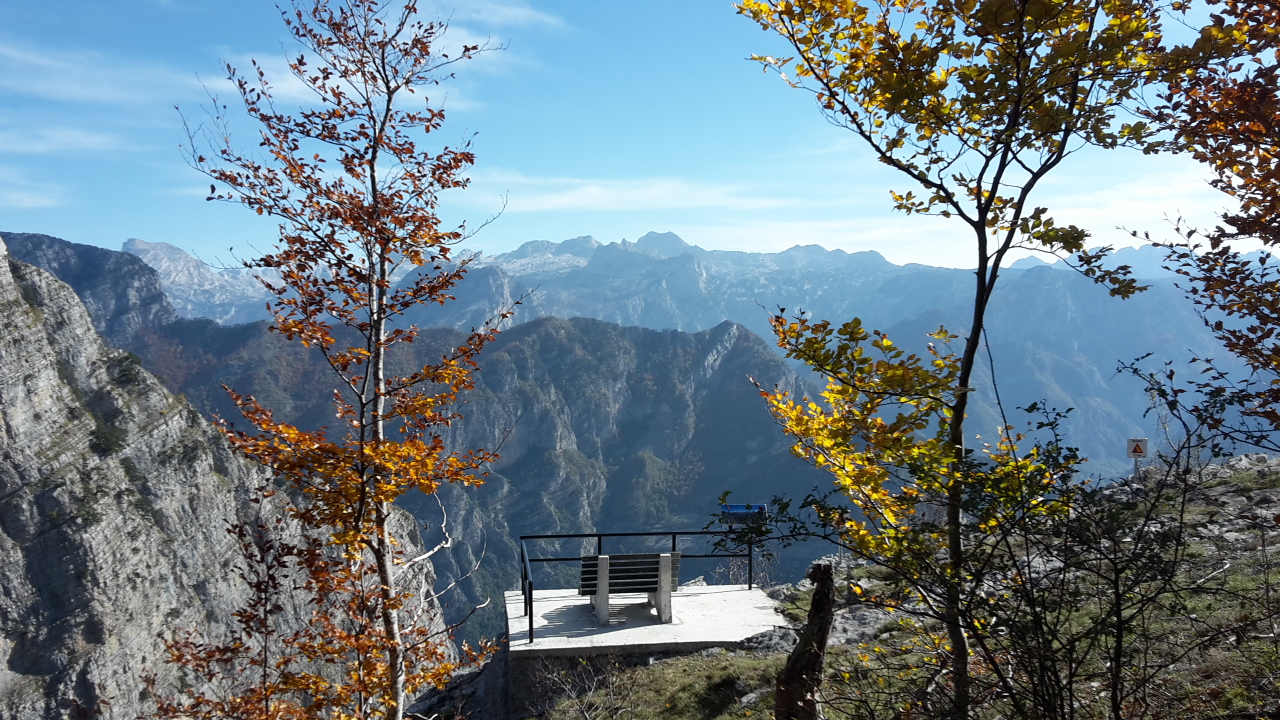
Viewpoint ‘Falcon's Throat’ (Grlo Sokolovo) on Krug Oko Korita; Photo by Nino M. Markovic

Viewpoint ‘Falcon’s Throat’ (Grlo Sokolovo) on Krug Oko Korita; Photo by Nino M. Markovic

Lipa Cave

Lipa cave, located 35 km east of Podgorica, near the historic capital Cetinje, is the youngest member in the family of renowned world show caves, and the most impressive cave, open to visitors, in Montenegro. It is known that King Nikola held receptions there and Njegoš spoke of its beauty. A system of 2.5 km of passages and halls is available to visitors. Theater lighting designers have created illuminations that have a rich influence on the scene of the cave.
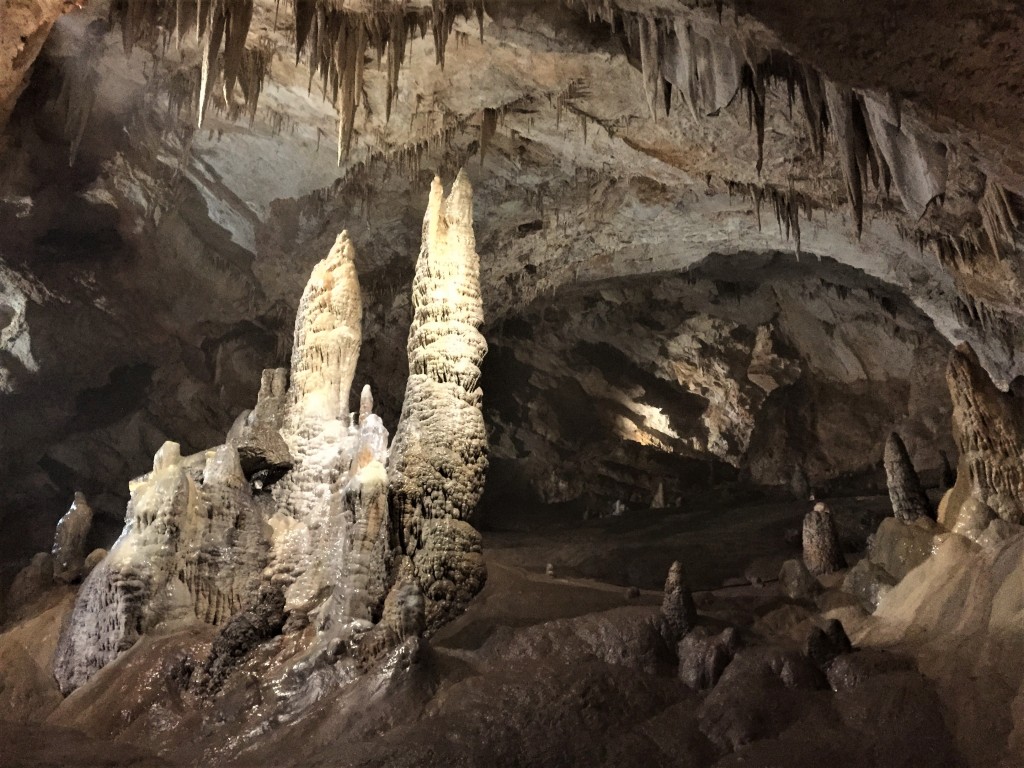
IMG_2067Lipa Cave; Photo by Tadeja L. Colnar

Families and casual visitors can enjoy a walk along the 400 m of cave corridors, admiring cave ornaments, underground lakes and majestic hallways created by nature. Adventurers and adrenaline seekers might prefer a 30 m descent from the ceiling on a rope and explore hidden corners of the cave with a professional guide. These adventures are only available, if arranged in advance. The cave is open to visitors from April till December.

River Cijevna and ‘Niagara Falls’

Taken with a pinch of famous Montenegrin humor, these ‘Niagara falls’ are much smaller than their northern American namesakes. Nevertheless, the five rivers of Podgorica are certainly an important natural asset, enriching the experience of the city. ‘Niagara falls’ on the river Cijevna are a cool out-of-the-city spot, popular among locals and less known to the visitors. On hot summer days, you can cool yourself off by jumping into calm waters. It only takes a 10 minute drive from Podgorica to Tuzi to get to the Niagara falls.
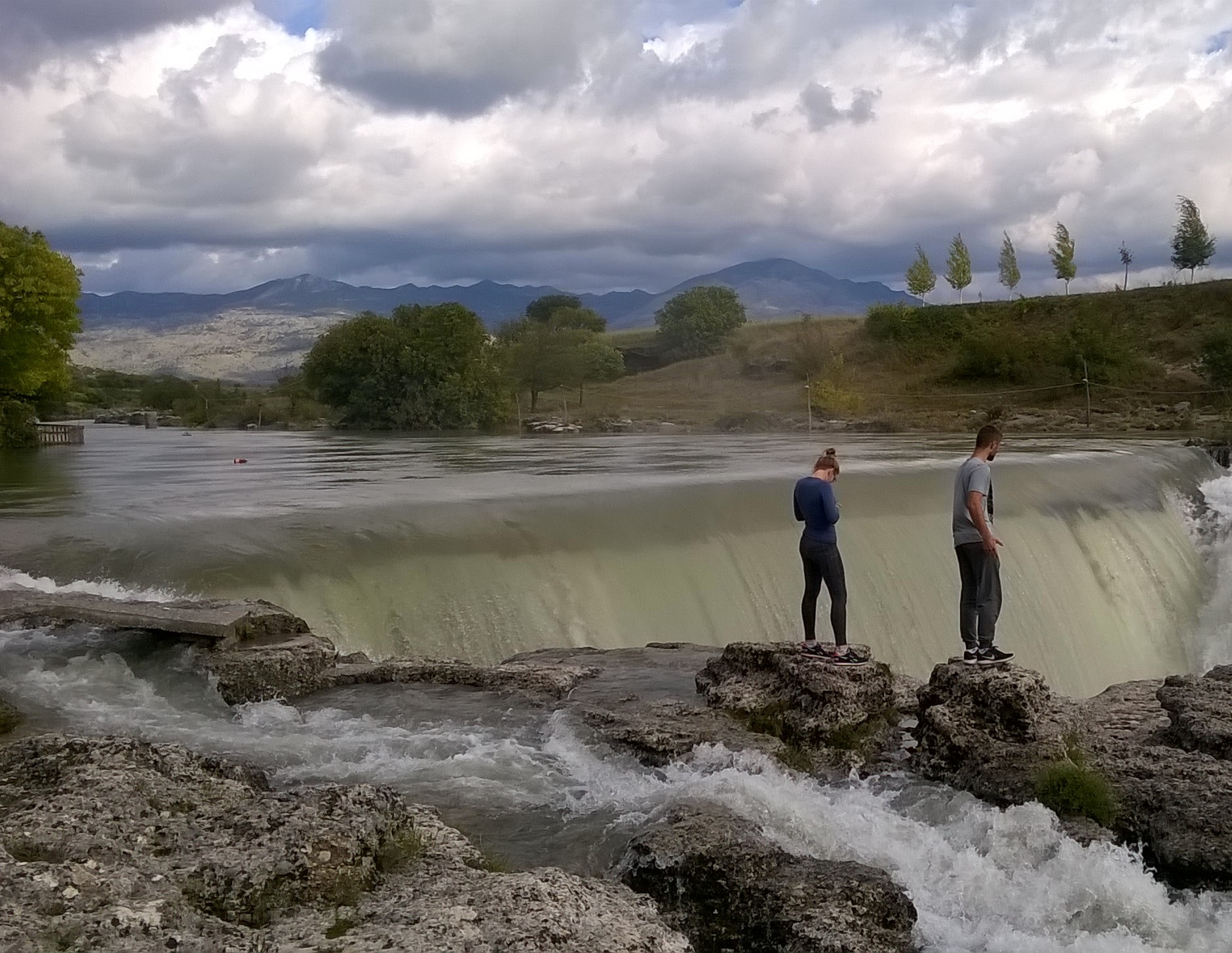
Niagara Falls on Cijevna River; Photo by Nino M. Markovic

Niagara Falls on Cijevna River; Photo by Nino M. Markovic

Roman Settlement Duklja

In the northern outskirts of the city, you can visit one of the best preserved ancient historical sites in Podgorica: the Roman settlement Duklja, built in the 1st century. There’s not much tourist infrastructure on the site. It is rarely crowded so you can usually explore the old ruins on your own.
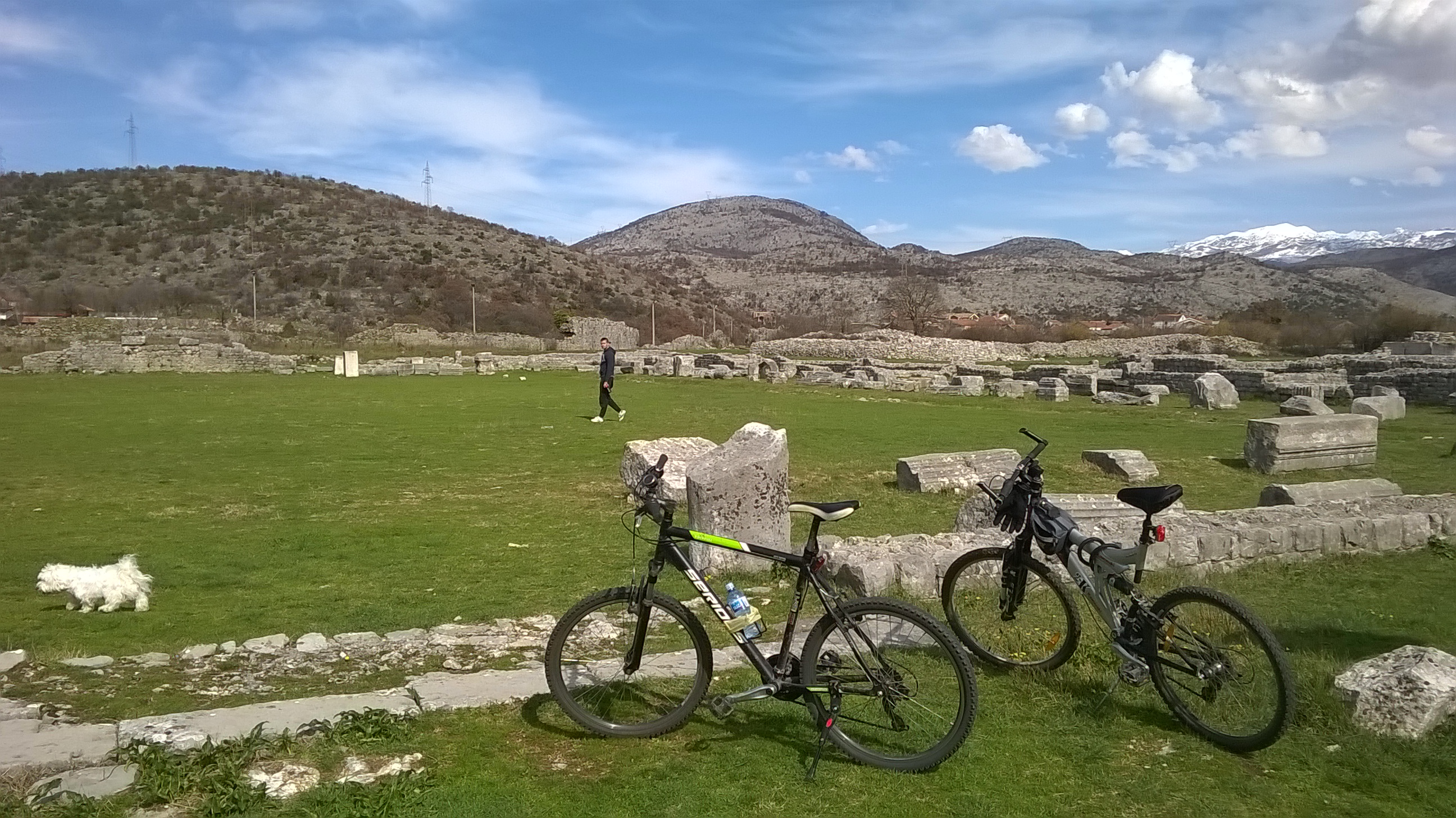
Roman Settlement Duklja, photo by Nino M. Markovic

Roman Settlement Duklja; Photo by Nino M. Markovic

While being in the area you might want to visit Zenta Winery, located above the shores of Zeta river in Rogami. What began as an experimental vineyard has grown into one of the most renowned wine brands in the country. A cozy tasting room with old ceiling beams is a great place to end the day, but arrange your visit in advance.
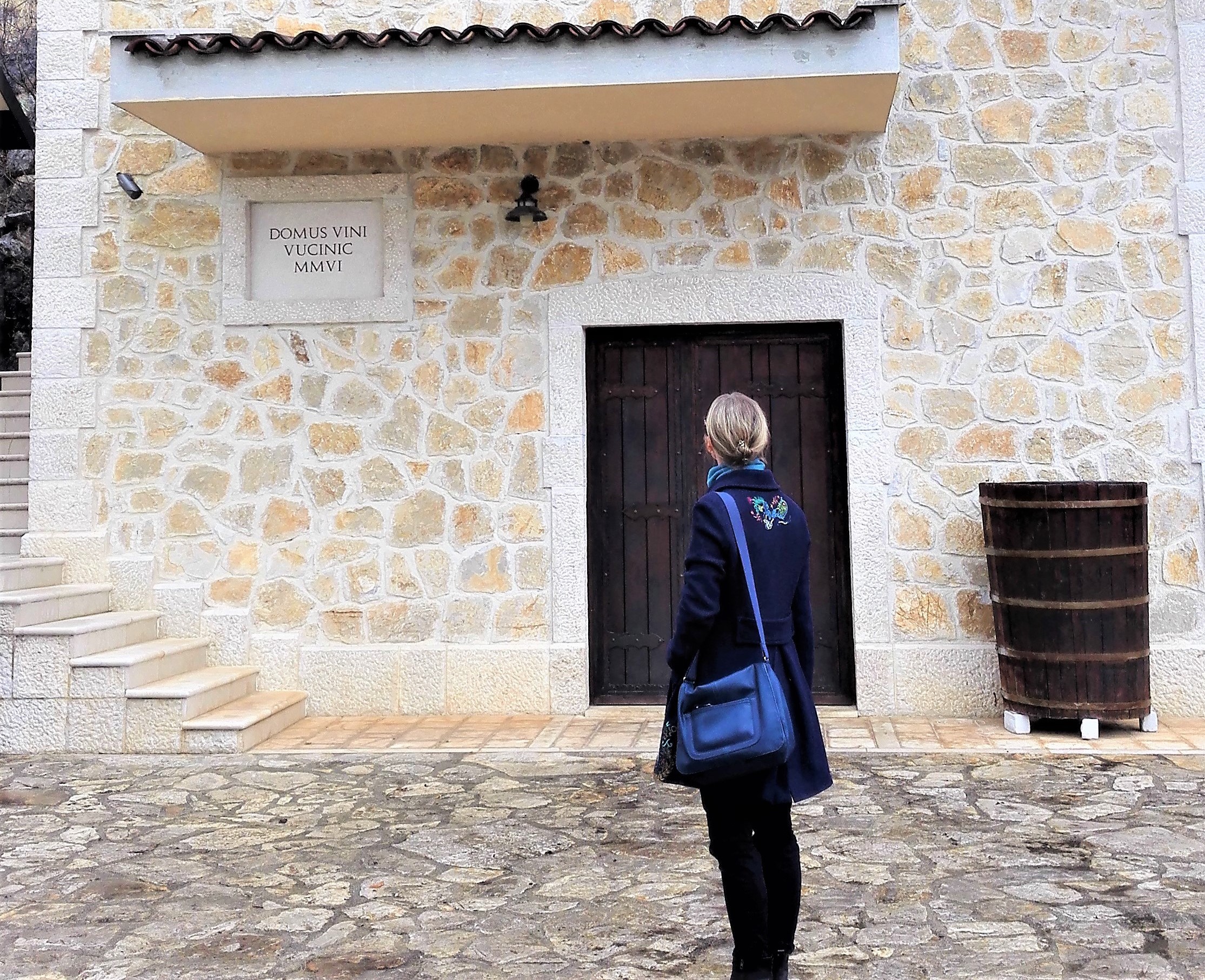
In Front of the Cellars in Zenta Winery; photo by Bernadette

In Front of the Cellars in Zenta Winery; Photo by Bernadette

An alternative way of approaching Duklja is an insightful 4-5-hour bike tour from the center of Podgorica, following the river Moraca to Duklja. The biking tour continues on the banks of Zeta river all the way to Danilovgrad. Montagna Agency provides you with bikes, accompanying vehicle and guides.

Free Climbing at Smokovac

If you feel like getting some air under your feet, limestone rock formations at Smokovac are the place to go. Smokovac, located 5 km Northeast of Podgorica, is a hot spot for free climbers of all levels of experience from absolute beginners to professionals. 
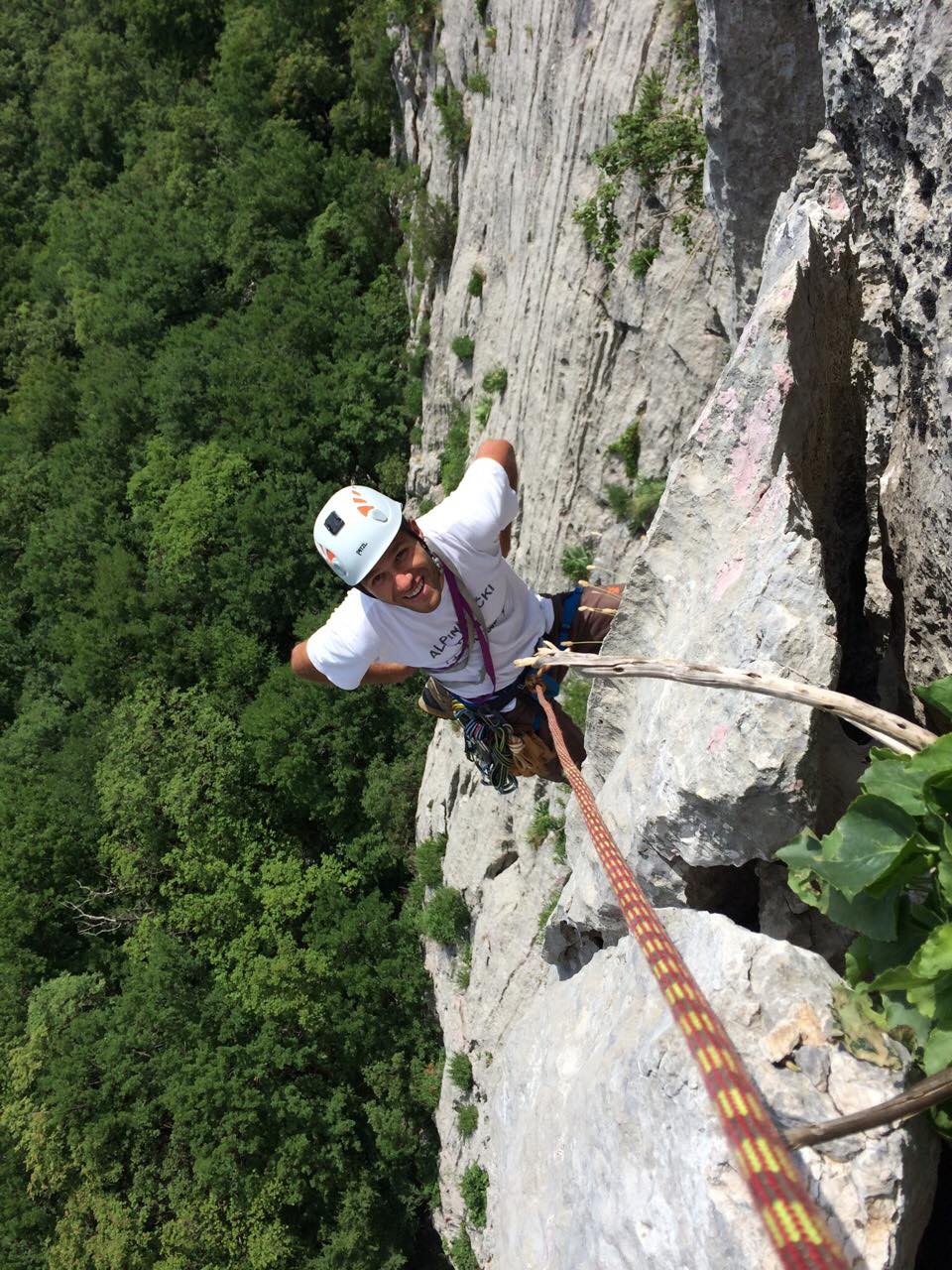
Smokovac Free Climbing, photo by Mico Cerovic

Smokovac Free Climbing; Photo by Mico Cerovic

Climbers are supported by a guide, using safety ropes, and provided with climbing equipment. For more information contact Montagna Agency.

***
Our home away from home has been Hotel and Restaurant Laguna, renowned for authentic cuisine that can be rarely experienced in Podgorica. Try delicious ‘priganice’ for breakfast or carp fish, eel, ‘rastan’ (green cabbage stew) or ‘japraci’ (traditional rolled green cabbage stuffed with meat and rice) for lunch or dinner. Be prepared for generous portions!

On our trips, we devoted special attention to local heritage and nature protection, thanks to our trusted and responsible tourist guide Nino M. Markovic from Montenegro Tour Guide.

                                                  Written by Tadeja L. Colnar
                                                             

Prepared within the EU-funded project ‘Laguna Heritage Tourism Cluster’ (LHTC), led by the Institute for Strategic Studies and Prognosis (ISSP).
 

Journey to the Heart of Dandara

While working on the Upper Egypt Local Development Project…

Journey to the Heart of Dandara

Ancient Egyptian sights have been attracting visitors from all over the world for centuries. However, true and sustainable treasures of this land are revealed in authentic encounters with its people in places out of sight.​

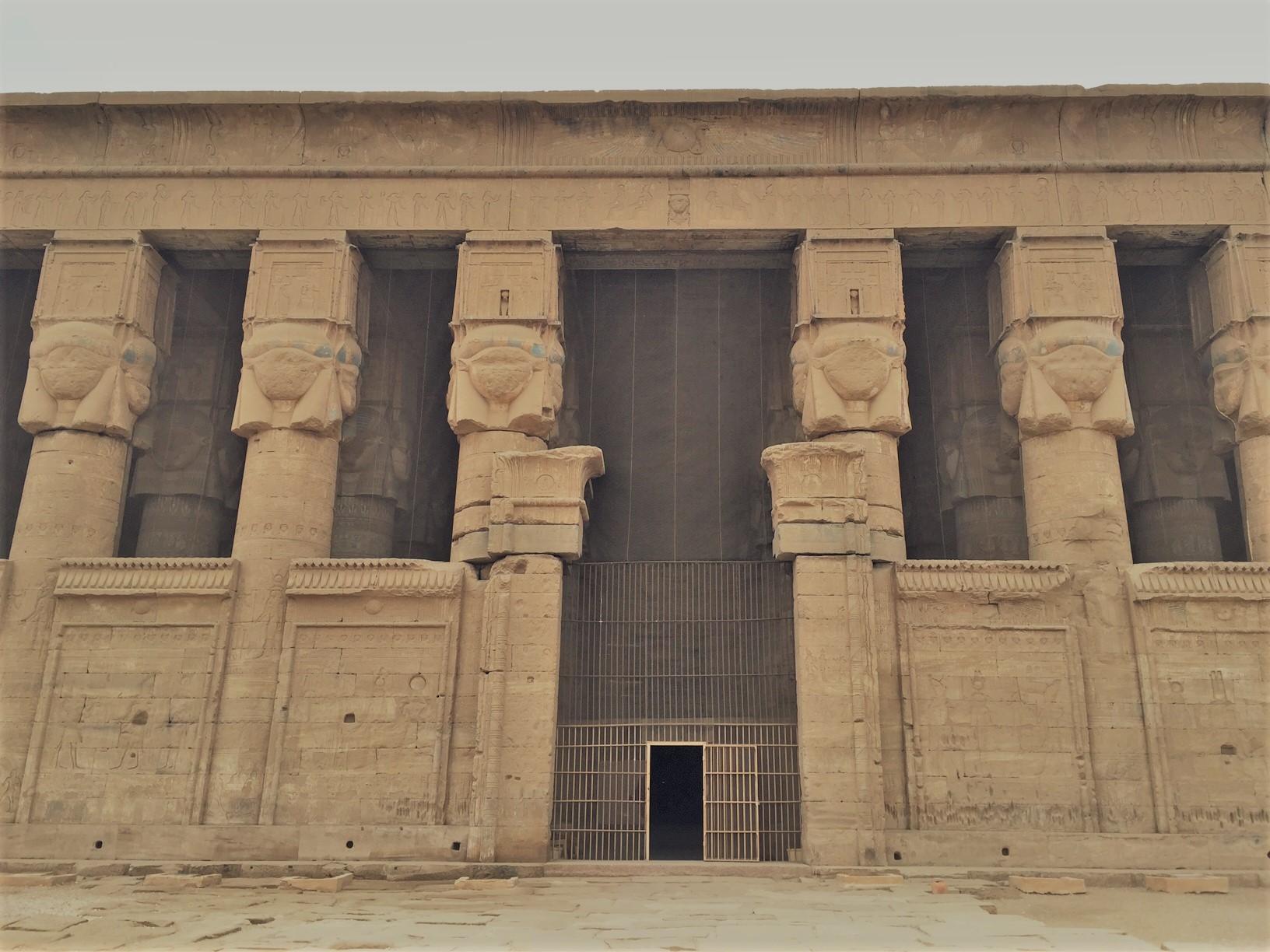
A two hour drive from the famous Luxor brought us to a less known gem among Ancient Egyptian temples, the Temple Complex in Dandara. First temples there date back to 2250 BC, but most of them were built in 360–343 BC. They are devoted to the Goddess Hathor who personifies the principles of joy, celebration, love, and motherhood. She is associated with the Greek Goddess Aphrodite and the Roman Goddess Venus. Historians say that more festivals were honoring her than any other Egyptian deity.

The Sacred Temple of Hathor

The Sacred Temple of Hathor

One of the major festivals took place every summer when the Goddess Hathor went on a journey from Dandara to Edfu to meet with Horus. The people of Ancient Egypt celebrated their reunion, symbolizing all that is good in life, abundance, creativity and wholeness.

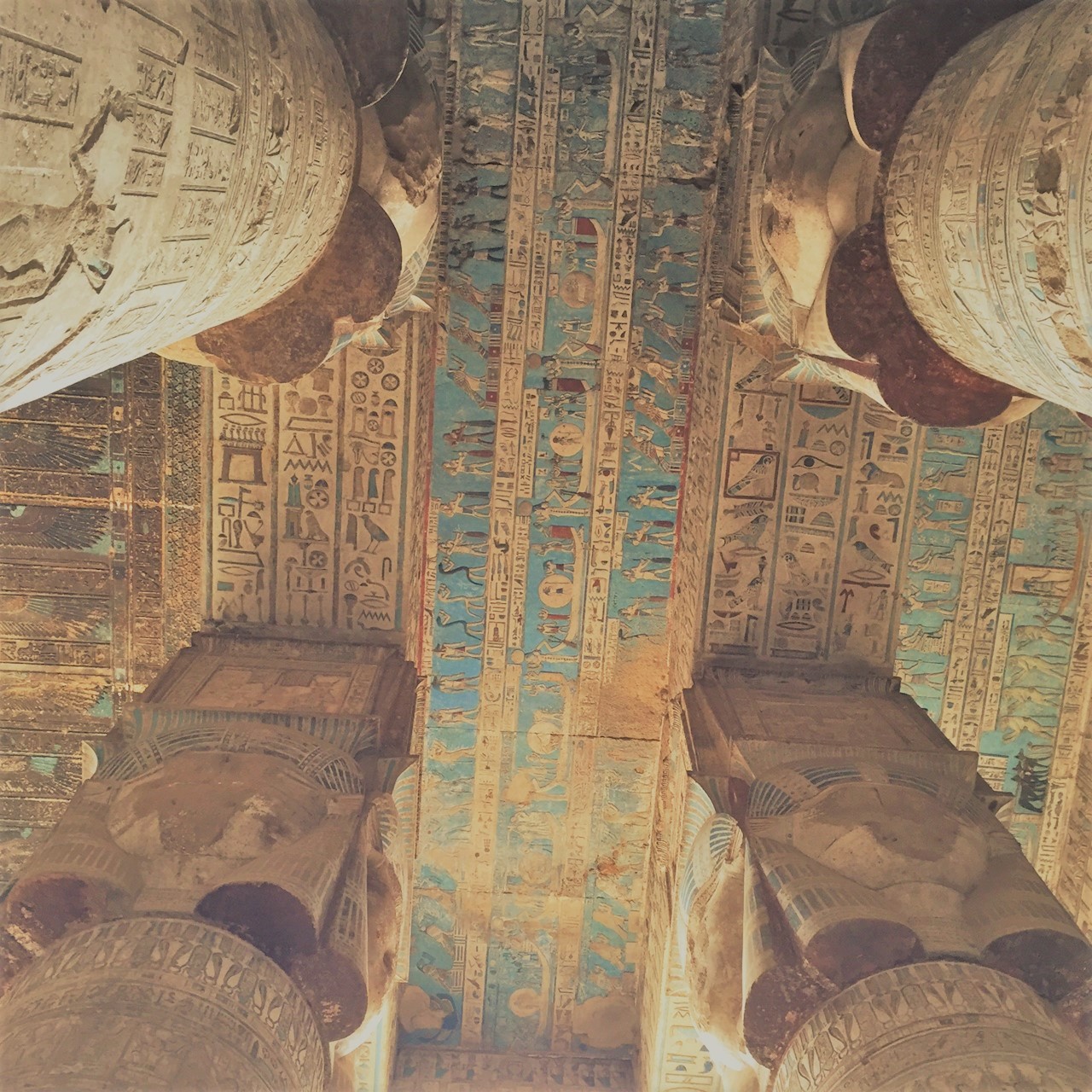
Interior of the Temple

Interior of the Temple

Worshiping Hathor was popular both among the poor working class of Egypt, as well as the ruling elite. As the bringer of life and comforter in death, Hathor embodied the heavenly Nile as she brought the best kind of gifts from the gods to the people of earth*. She was also a goddess of poetry and dance. No wonder that Qena and Dandara are known to be the cradle of storytelling in Egypt.

Upon arriving at the temple’s entry, we were welcomed by poetic confessions of joy and pain by some local musicians. Having experienced this performance, I am only imagining how magical a storytelling festival, organized in Qena, must have been even to the visitors not familiar with the Arabic poetry.

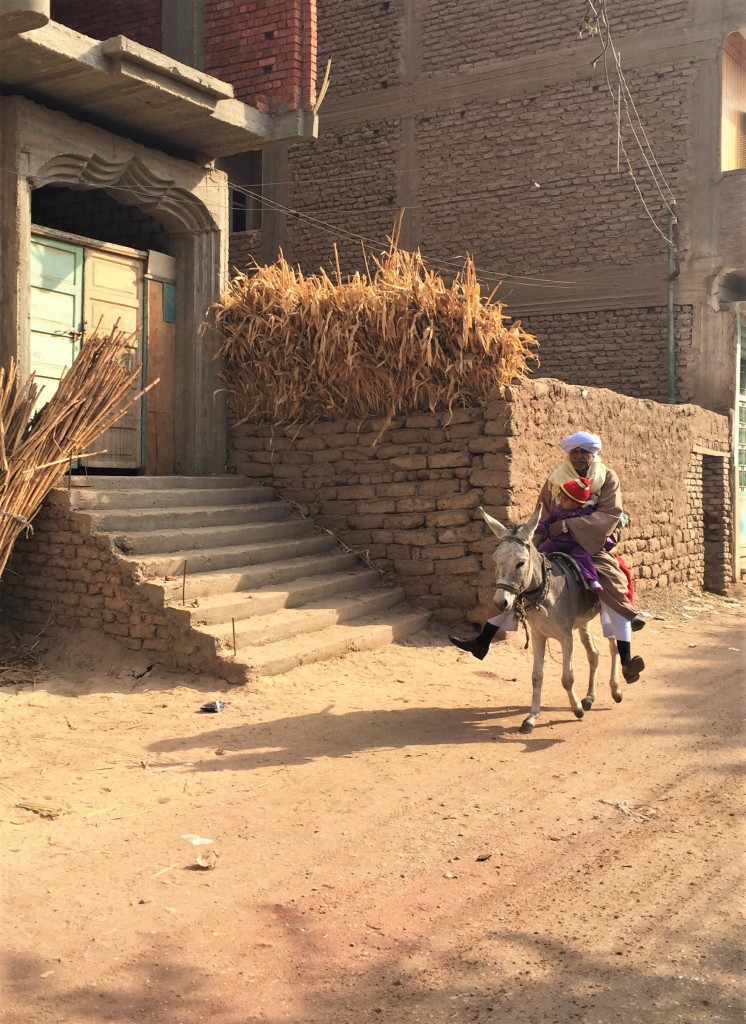
Simple life can be experienced in Dandara village with children running around, traders of snacks, offering their products around the corner, and old men with donkeys, carrying their grandchildren.

Donkeys are a very important mode of transportation

Donkeys are a very important mode of transportation

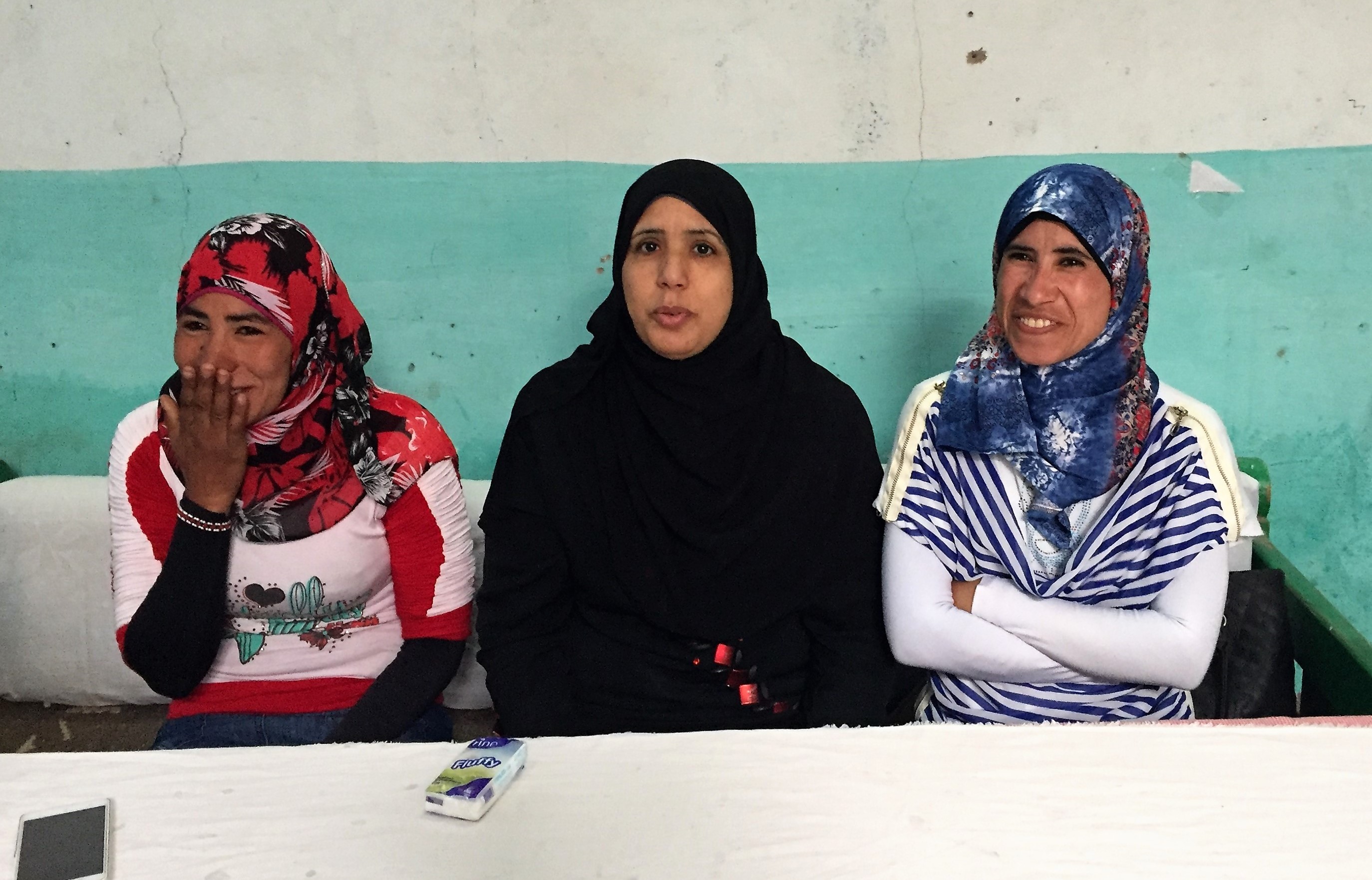
A small community of women has been trained and provided with seed capital to sustain jewelry making. Their necklaces, bracelets and rings are shown in local exhibitions, however meeting these women is as rewarding as appreciating their products.

IMG_1884

The ladies behind Dandara jewelry

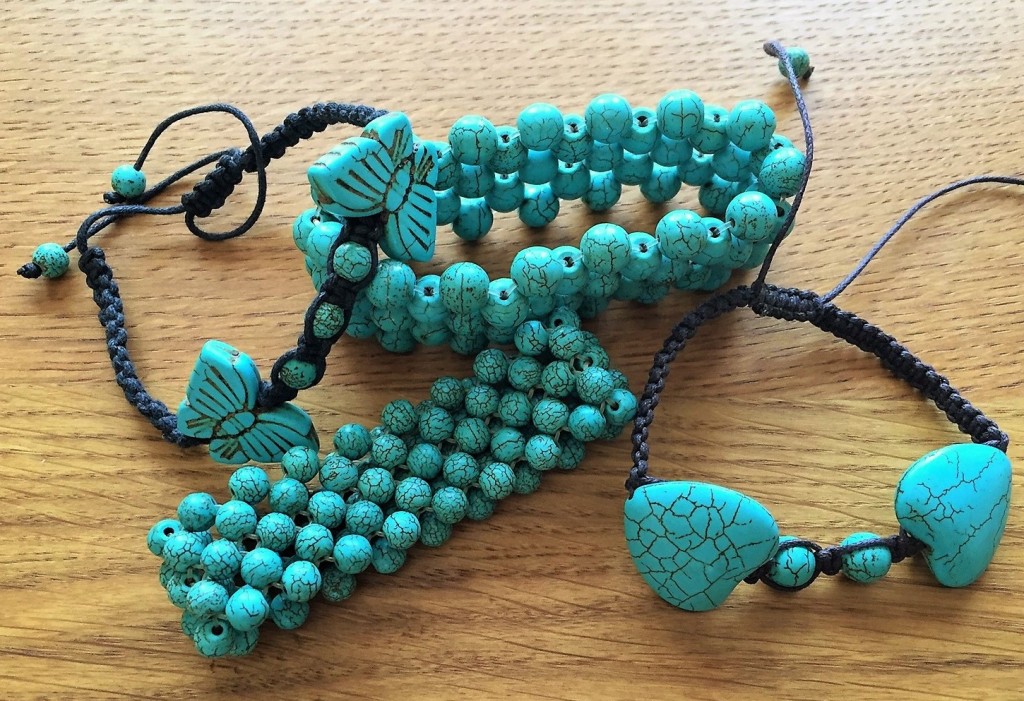
Back home these beautiful turquoise artisanal pieces will remain a tangible memory of my day spent with them.

bracelets

My favorite Dandara jewelry seems to be inspired by Hathor, known to be ‘the Lady of Turquoise Country’

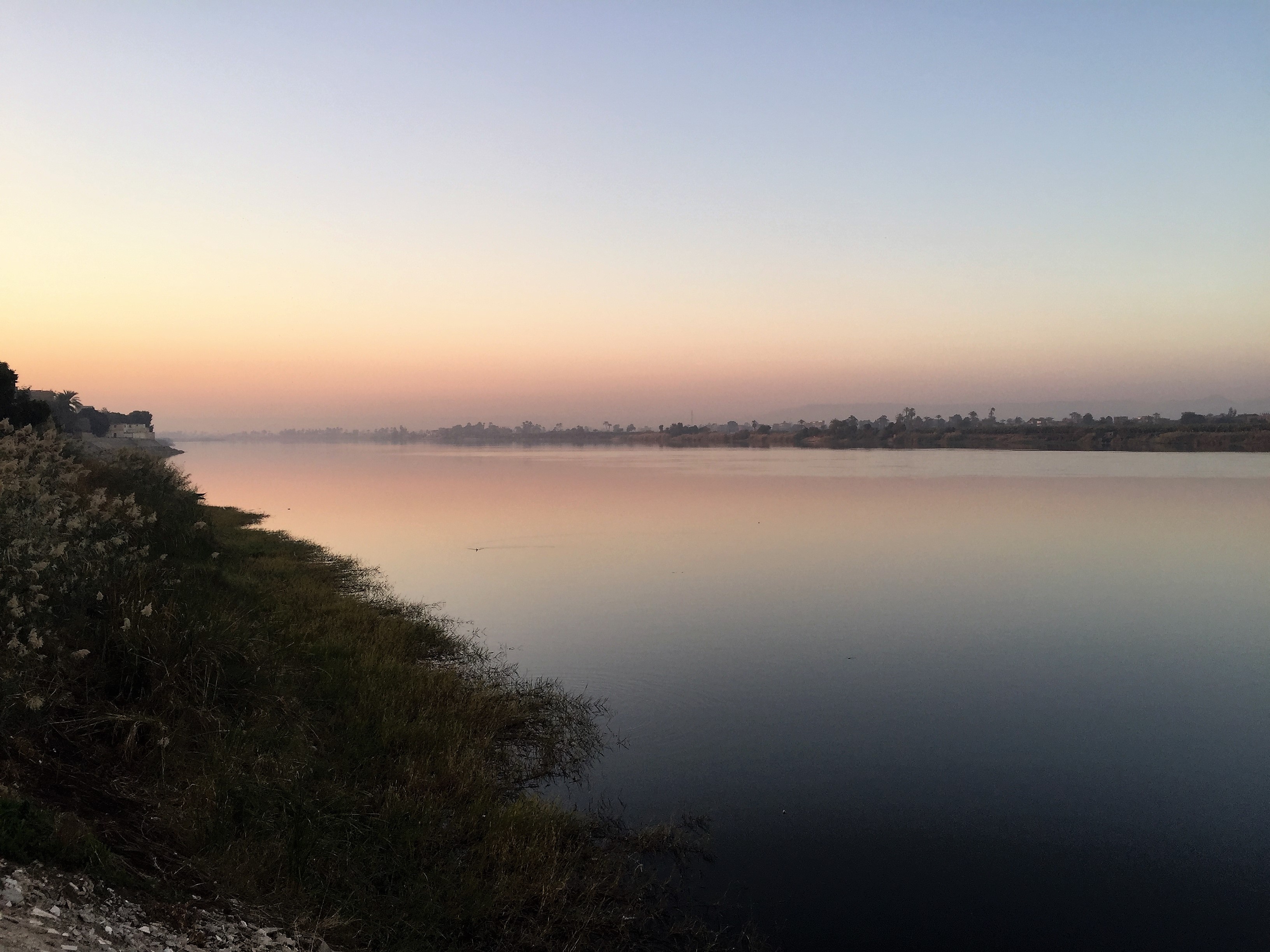
Pottery makers kindly introduced us into their production process. A simple pottery kiln is positioned in the first line of the village, overlooking the Nile. Yes, the amazing river of life deserves special attention for it significantly fills the area with an unusual sense of peace. Numerous birds, overflying its shores, speak of abundant supply for life to all species.

IMG_1844

The River of Life

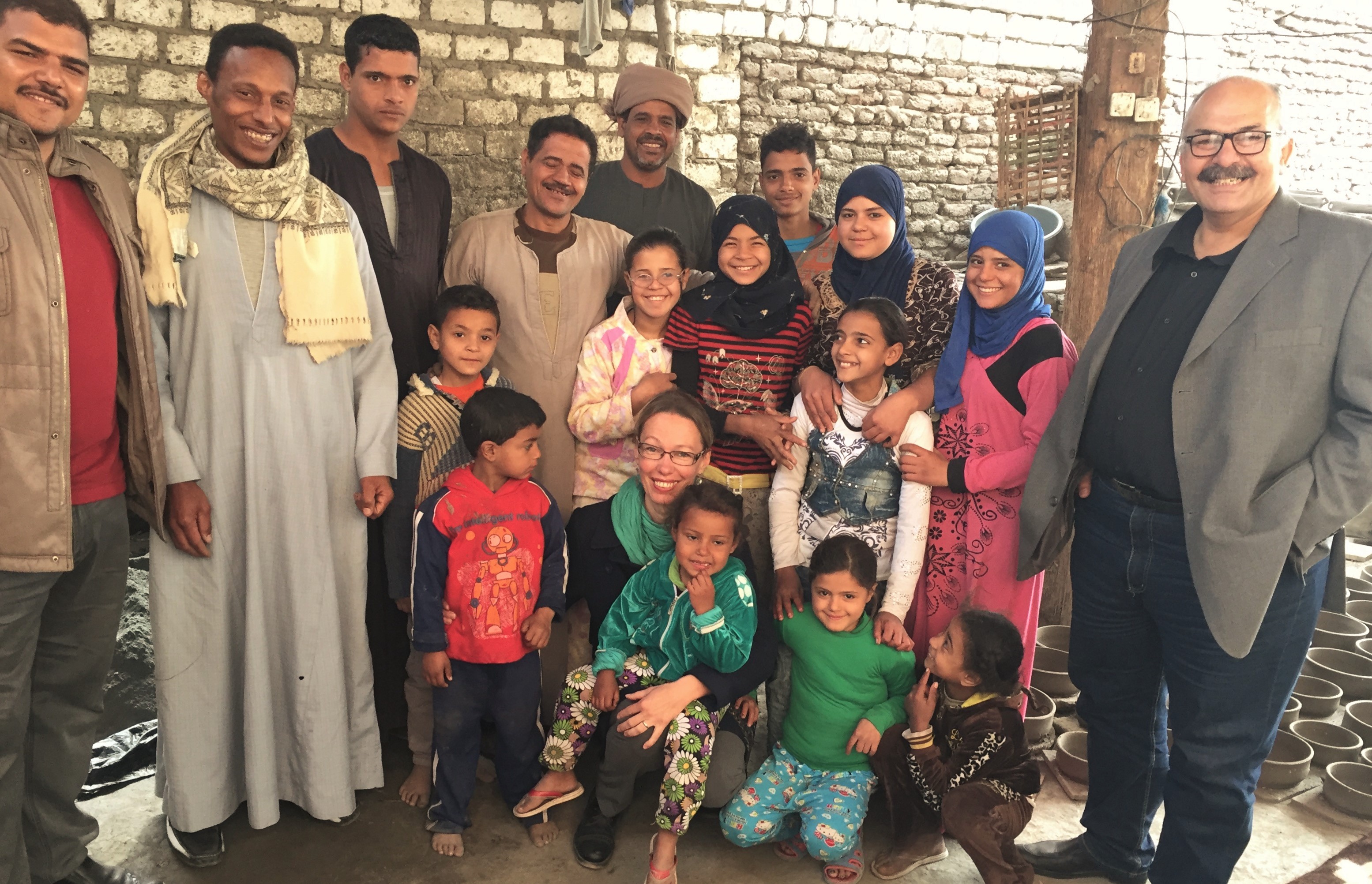
Dandara has given me the gift of authenticity, the one whose colors and fragrances stay with you for a long long time. It is the people, who uncover the character of places and there is a certain camaraderie in such encounters which transcend our cultures.

A Moment to Remember

A Moment to Remember

*Sources: J. J. Mark: Hathor, 2009; and D. B. Redford: Oxford Guide to Egyptian Mythology, 2003.

Piva Lake Pearls

Embraced by mountains and enchanted by legends, Piva lake area in Northwestern Monenegro is often neglected, but well worth visiting. Piva pearls are attractive on their own and they are also a good place to make home base for exploring Durmitor and Tara.

Piva Lake

Piva Lake; Photo: Žiga Jenko

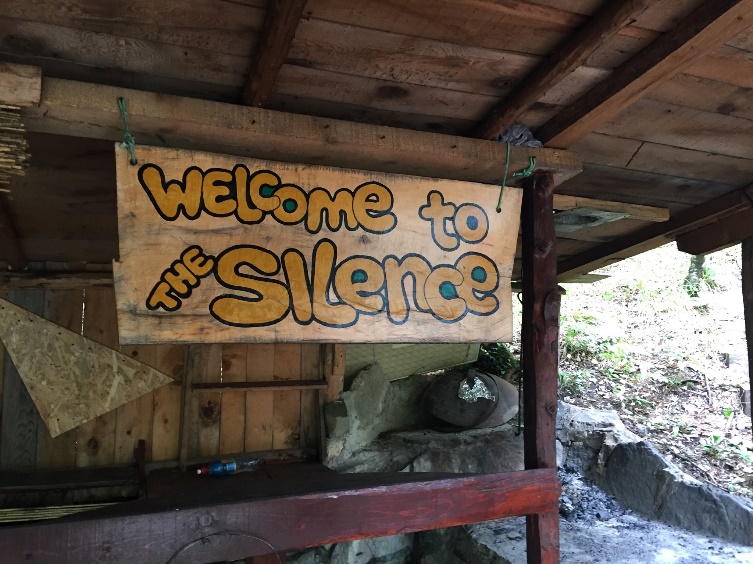
Welcome to the Silence

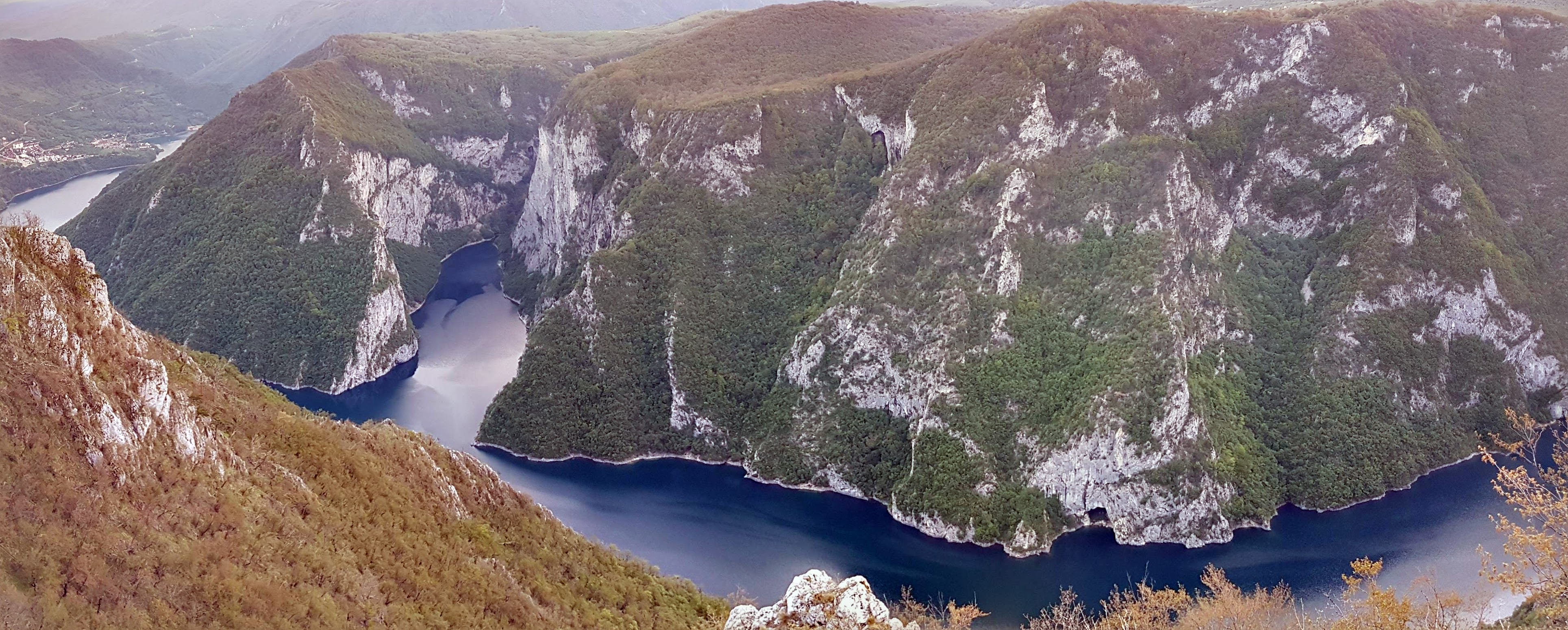
We escaped the crowds and distractions of civilization by taking a half an hour boat trip from Plužine to a little lakeshore camp with appealing name ‘Ajmo u tišinu’. Talking about the trend of ‘silence tourism’, here we truly experienced it. A marked trail through the woods led us to a lookout point with a beautiful view of the lake, resembling a big star.

Do You See the Star? Photo: Žiga Jenko

Do You See the Star? Photo: Žiga Jenko

Later on, in the shade of oak and hornbeam trees, we enjoyed coffee and a crackling fire while our hosts prepared lunch. Trout from Piva lake, grilled together with zucchini, peppers, tomato, and onions with home-made bread and cheese – a meal to remember!

'Welcome to the Silence' on the Banks of Piva Lake

‘Welcome to the Silence’ on the Banks of Piva Lake

Quest for Stecci

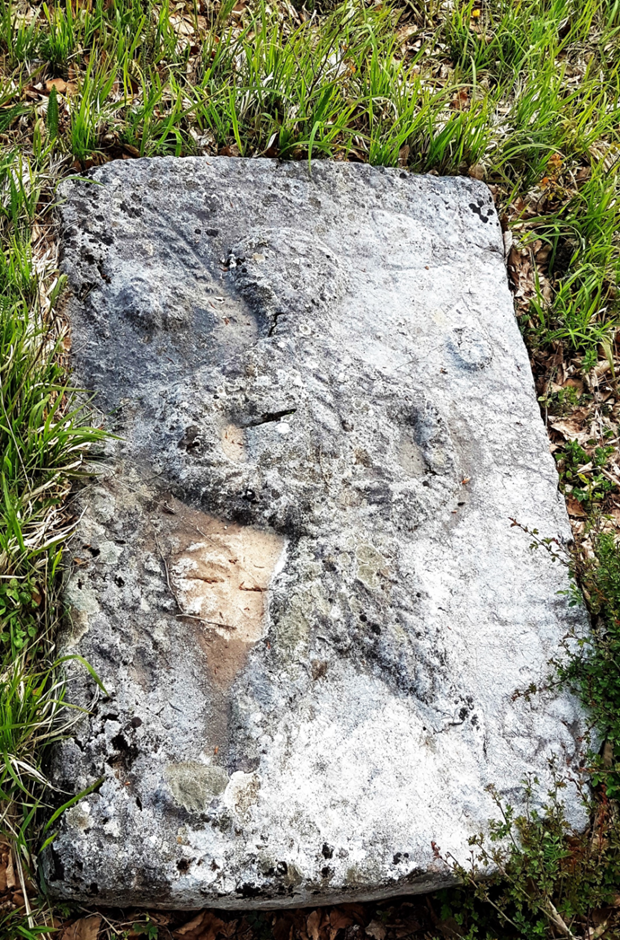
Quests in the Piva mountains are inspiring and fun. They brought us to the monumental medieval tombstones, called ‘stećci’. ‘Stećci’ are a very unique peace of cultural heritage of the cross border regions of Bosnia and Herzegovina, western Montenegro, western Serbia and central and southern Croatia. They have been recently inscribed on the UNESCO list of world cultural heritage sites.

Stećci are scattered on the meadows and in the mountains of Piva and often it seems as if they are a forgotten peace of human creation. This is exactly what makes them even more attractive. Looking for ‘stećci’ is certainly an amazing quest on its own.

The most comprehensive registration of ‘stećci’ in Piva region has been done in late 60s and 70s of the 20th century by a Bosnian researcher Šefik Bešlagić. At that time, 35 locations with altogether 787 ‘stećci’ have been evidenced.

An overture into quest for ‘stećci’ may be a visit to the guesthouse Zvono in Plužine. Their ‘in-house designer’, Vlatko Vuković, designed a map that takes you to amazing places. Following that map is a truly entertaining quest with many surprises on the way.

The next stop may be Etno-selo Izlazak close to a beautiful necropolis in Rudinice.

Medovina, the Mead

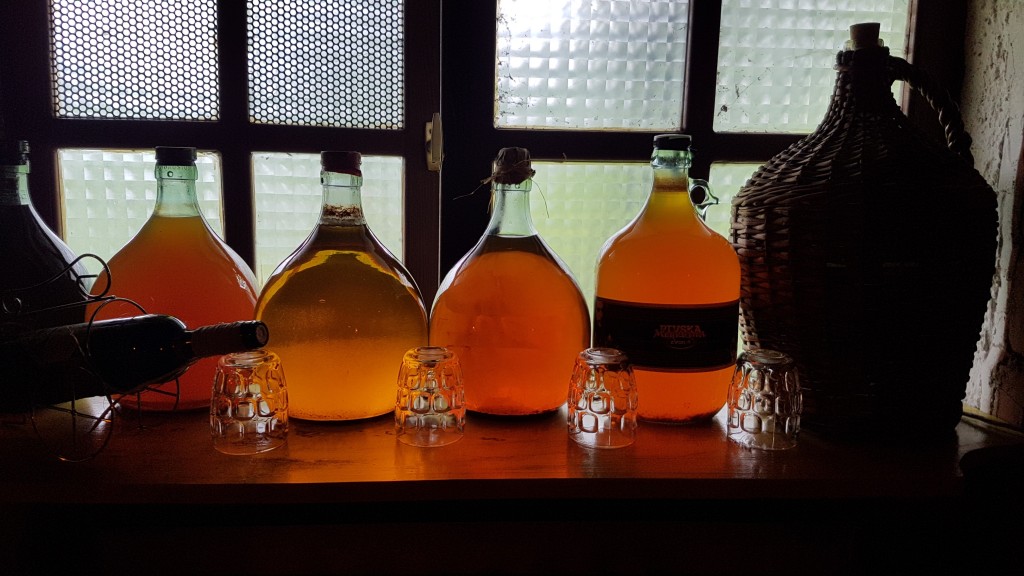
The town of Plužine is famous for tasty medovina, the mead, and Zvono’s specialities cooked in it. Legends say that the mead used to be the drink of the Gods and was considered to be the elixir of youth and immortality, the source of spiritual power and physical strength of ancient heroes.

The Mead at Zvono

The Mead at Zvono

Piva Monastery and Secluded Villages

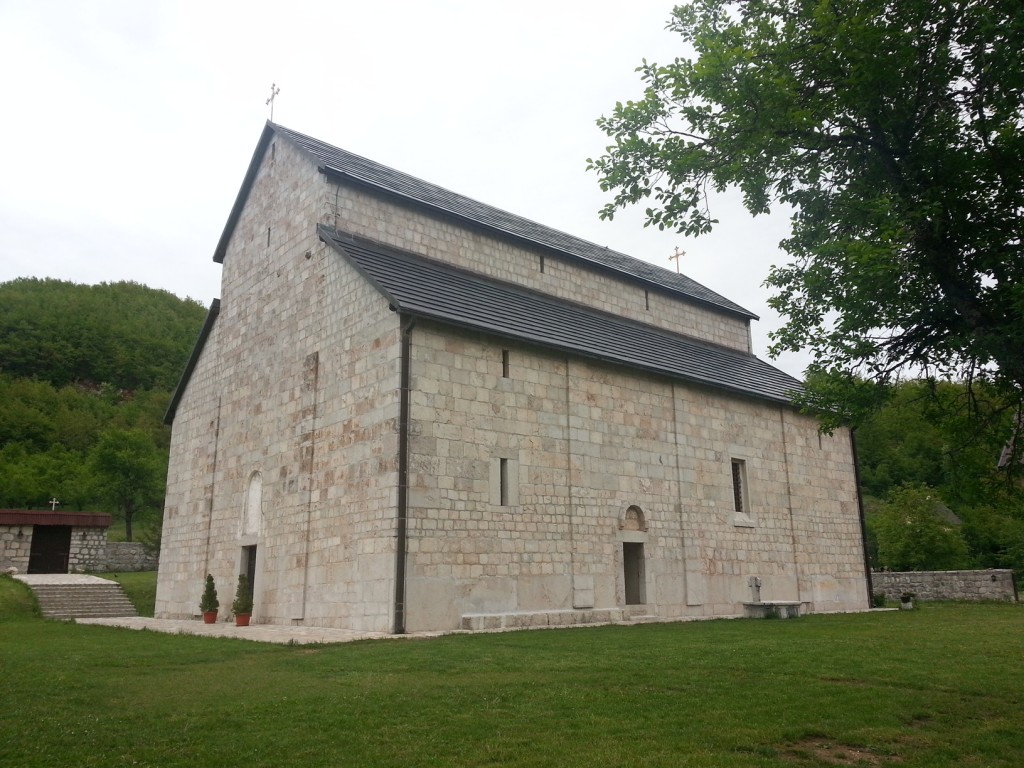
An early morning stop at the remarkable Piva Monastery filled us with peace and reverence. The Monastery was built in 16th century at the spring of Piva river and although it was Christian religious center, its construction was approved by the Ottoman rulers. As a result, the church in the monastery contains a fresco depicting Savatije Sokolović (the Serbian Orthodox patriarch) and Sokollu Mehmed Pasha (Grand Vizier of the Ottoman Empire), which is an unusual rarity.

In 1982, The Piva Hydro Electric Project created a vast water reservoir. The water covered the old Plužine village, two thirds of the area’s agricultural land, and several natural hot and cold springs. Only the Piva Monastery was saved, as it was moved to a new location stone by stone together with 1,500 square meters of frescoes. Preserving this monastery was a huge undertaking for ex-Yugoslav historical conservationists.

Piva Monastery

Piva Monastery

We continued our journey to the nearby farm of Željko Mitrić, the renowned honey producer, for a delicious breakfast. His farm is overgrown with fragrant flowers and embraced by aromatic meadows. His special pear orchard contains an endemic variety of pears, called “mrkaljuša.” Some of the trees are over 100 years old. The “Mrkaljuša” is a small fruit that can be eaten fresh, but is primarily used for the production of high quality brandy and “pear water” made by a process of dipping the fresh fruit into water and aging the liquid. This bitter “pear water” is believed to be very healthy.

Hiking Durmitor Ring: Thrilling Legends and Amazing Vistas

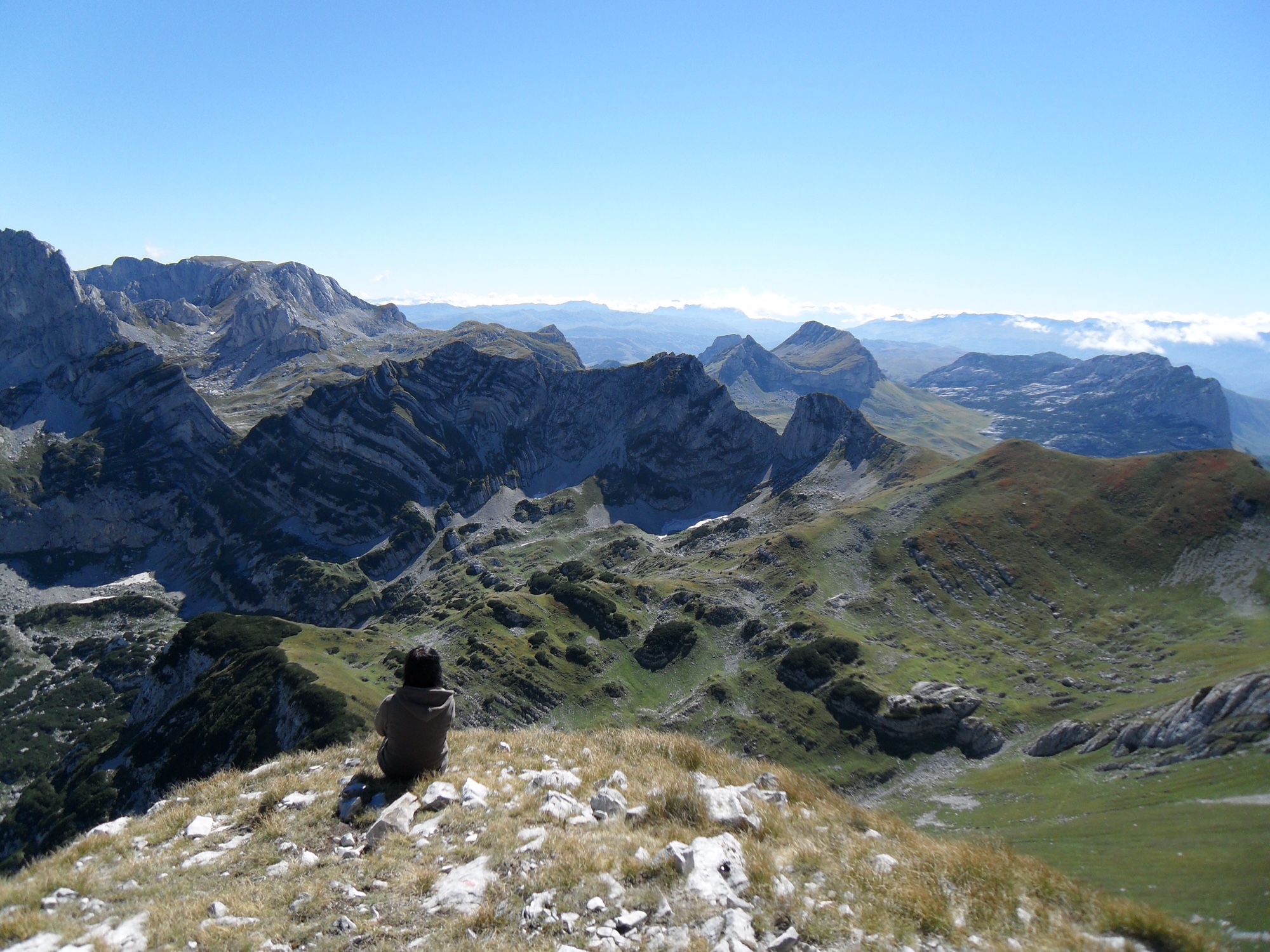
A new day in the Piva region started with preparations for our hiking escapade in the Durmitor mountains. While approaching our starting point in the mountains, our legendary guide Mirko revealed the legend of Todor whose unfortunate love for Ružica caused the jealousy of fairies and eventually gave name to the mountain Prutaš (2.393 m.a.s.l.) – the highest peak on our hiking expedition whose rock formations resemble “fairies’ hair.”

image1Prutas

Prutaš

Experienced local mountaineering guides share deep respect for the mountain, never underestimating its power and always admiring its breath-taking beauty. Beautiful vistas filled our spirits, but we certainly deserved a good breakfast at the top of Prutaš. For most of us, breakfast at the 2.393 m doesn’t happen very often in our lives.

On our way back to the valley we crossed the border between the regions of Piva and Drobnjak and heard about another legend of a wise old lady Baba Kruna who put an end to the endless fights about where the border should be placed. She performed a ritual with stones and said that she is standing with one foot on the Piva territory and with the other one on the Drobnjak soil. On that place people put a stone wall which still exists and is called Prespa.

Our next stop was Nedajno village, a hidden gem often neglected by tourists heading towards the regional tourist centre of Žabljak. This picturesque village has maintained its traditional appearance with houses with steep roofs and small entrances. Though we visited the village several times before, we never miss a legendary local dish, called ‘cicvara’, made of wheat, corn flour and ‘skorup’ cheese. Our host’s mother used to be the most famous shepherdess and cheese maker in the Piva region.

More Pearls to be Discovered…

We heard so much about Nevidio canyon. Tucked away and hidden in inaccessible terrain, the canyon had attracted attention and curiosity for decades. Endless strange and fantastic stories used to circulate about the last unconquered canyon in Europe. Finally, in August 1965 a band of poorly equipped adventurers from the Javorak Mounteneering and Skiing Club of Niksic successfully passed through the canyon and became the first to introduce the world to the canyon’s long hidden, wild and stunning beauty.

At the end of the Komarnica river valley at an altitude of 935 m.a.s.l. begins the canyon Nevidio or Nevidjbog as is called by locals (which means “God didn’t see” in Montenegrin). As it enters the canyon, the Komarnica river suddenly disappears through a strangely carved entrance and becomes invisible to human eye. Most of the canyon is in a perpetual shadow – due to the height of its vertical cliffs, sunlight does not reach the bottom. The canyon is a gem of rugged nature that has fascinated visitors since its discovery and this is where we are headed on our next trip to Piva region.

Crkvice: Embraced by Nature

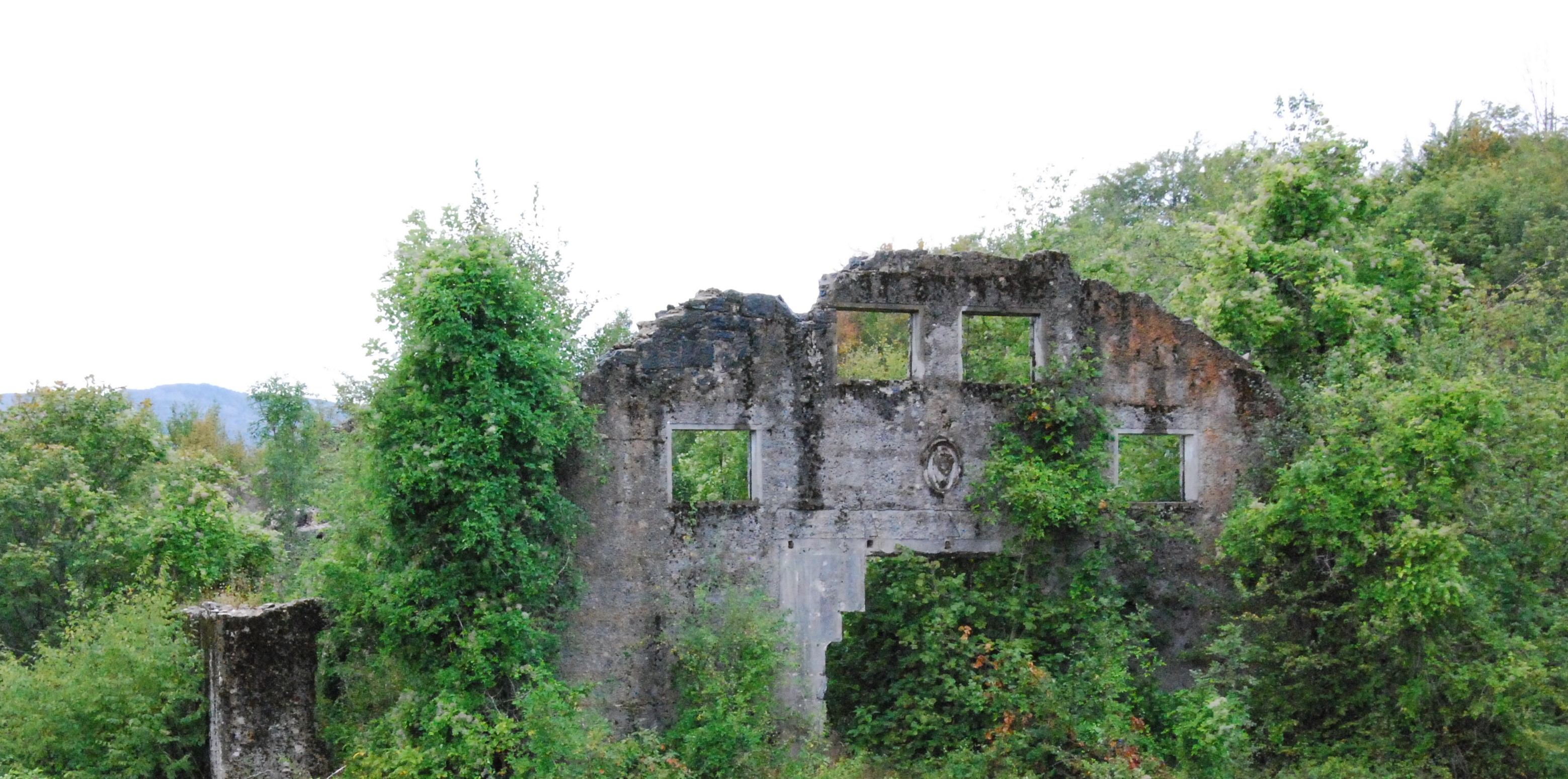
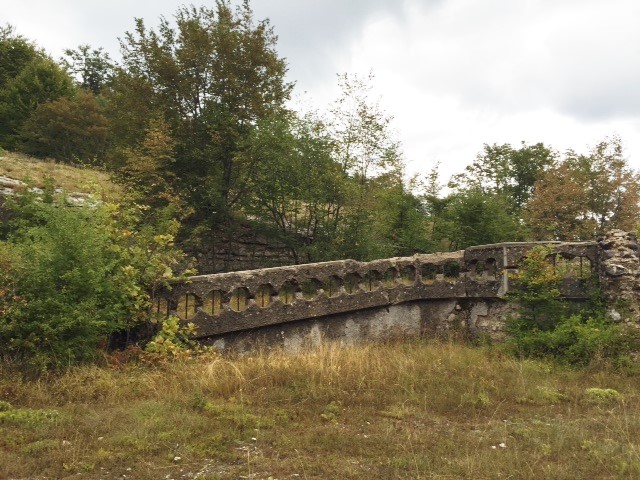
Aromatic fragrances of the Mediterranean wild herbs are in the air as we are rising up the fragile stony stairs of an old Austro-Hungarian cinema in abandoned village of Crkvice on Orjen mountain in Montenegro. It’s amazing how nature takes over after human activities cease. Birds and other animals dwell in magnificent stony ruins.

Old horse stall in Crkvice

Old horse stall in Crkvice

When I was working in Suriname, I first heard of the so-called “secondary forest.” I remember my imagination soaring as I watched the jungle overgrow old cotton plantations.

Something similar happened here, on Orjen. But unlike in Suriname, where clouds of mosquitoes swarmed everywhere around us, here there was only silence, stone and the slow return of the wild. Between the advancing forest, a few stubborn farmers still cultivate potatoes in tiny karst fields, as if holding their ground against the mountain itself.

Blending history with pristine nature

Some 100 years ago, Crkvice, a vivid military settlement above Risan, has been established to protect and expand the Austro-Hungarian reign in the areas, predominantly ruled by the Turks. In its peak, Crkvice had up to 10,000 inhabitants, mainly families of Austro-Hungarian soldiers. They had all the luxury one could imagine: hotel, tennis court, bowling alley, football field with stands for 1,000 spectators, cinema, brothel, church, bakery, hospital, horse stalls, funicular to drag tree trunks from the woods etc. Altogether over 150 solid buildings were built in a relatively short period.

Path, leading to the water reservoir

Path, leading to the water reservoir

The most outstanding are the ruins of the old bakery which used to be the largest bakery in the Balkans and the second largest in Europe. It provided bread for whole of Boka Kotor bay. Records show that over 24 tons were produced daily, using automated baking system and electricity created in a very sophisticated generator.

Nowadays, only stony ruins speak of the magnificence of Crkvice. Wildlife expanded, original vegetation regenerated along with old fruit trees, providing abundant food for birds and other animals.

Once the largest bakery in the Balkans, taken back by nature

Once the largest bakery in the Balkans, taken back by nature

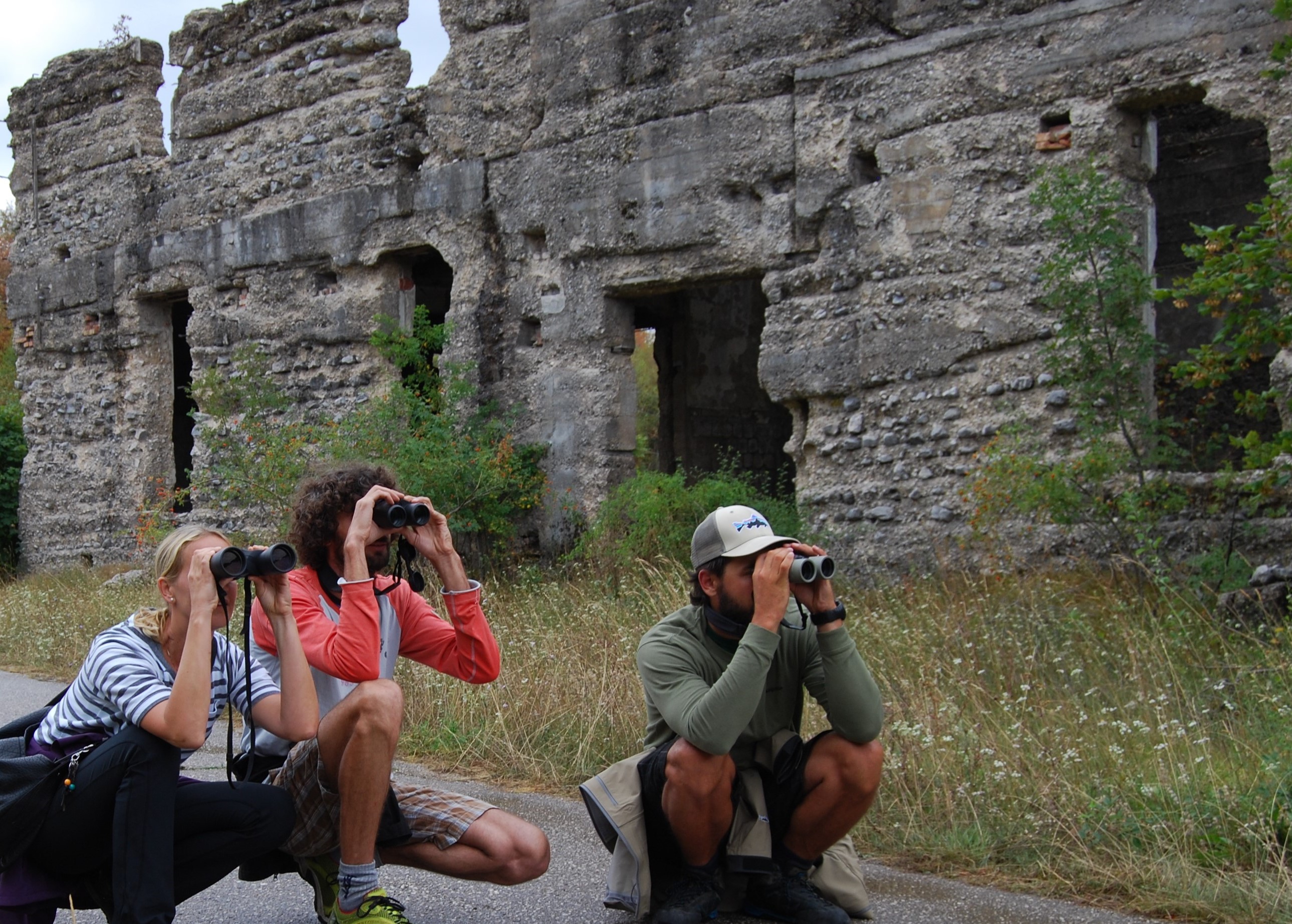
Wildlife- and bird-watching in Crkvice is something unique

Our fellow traveller, Rok Rozman, ornithologist, immediately recognized some characteristic birds for Orjen and later on, along the walk, also some quite rare species. The region of Orjen is known for the biggest precipitation in Europe with the peak of it ranging from autumn to spring. Despite all, the region is surprisingly dry due to the karst surface. Limestone here reaches one of the deepest layers in the world, permitting these huge amounts of rain and snow simply vanish down into crevasses, caves and abysses only to get back to the surface, or even under the sea, in springs 1,500 meters lower in the Boka Kotor bay. This phenomenon leads to unique conditions that create very rare habitats and when combined with the forest-cowered ruins of one of the biggest settlements of its kind, you get an experience like no other.

Trying to spot birds in the bushes

Trying to spot birds in the bushes

Wildlife is abundant and especially birds are to be noticed at every step. Nuthatches, tree creepers and tits accompanied us at every step; we spotted many Mediterranean weathers, rock buntings and even black woodpecker. The place is also known to be incredible site for observing birds of prey in the nesting season as well as in migration. We saw a sparrow hawk, but golden eagle and short-toed eagle are to be expected and seen easily for someone, spending more time in Crkvice. The potential for birdwatching is simply amazing.

Non-governmental organisation Center for Protection and Research of Birds of Montenegro is raising awareness about exceptional richness of bird species in the area and about protection of their habitat.

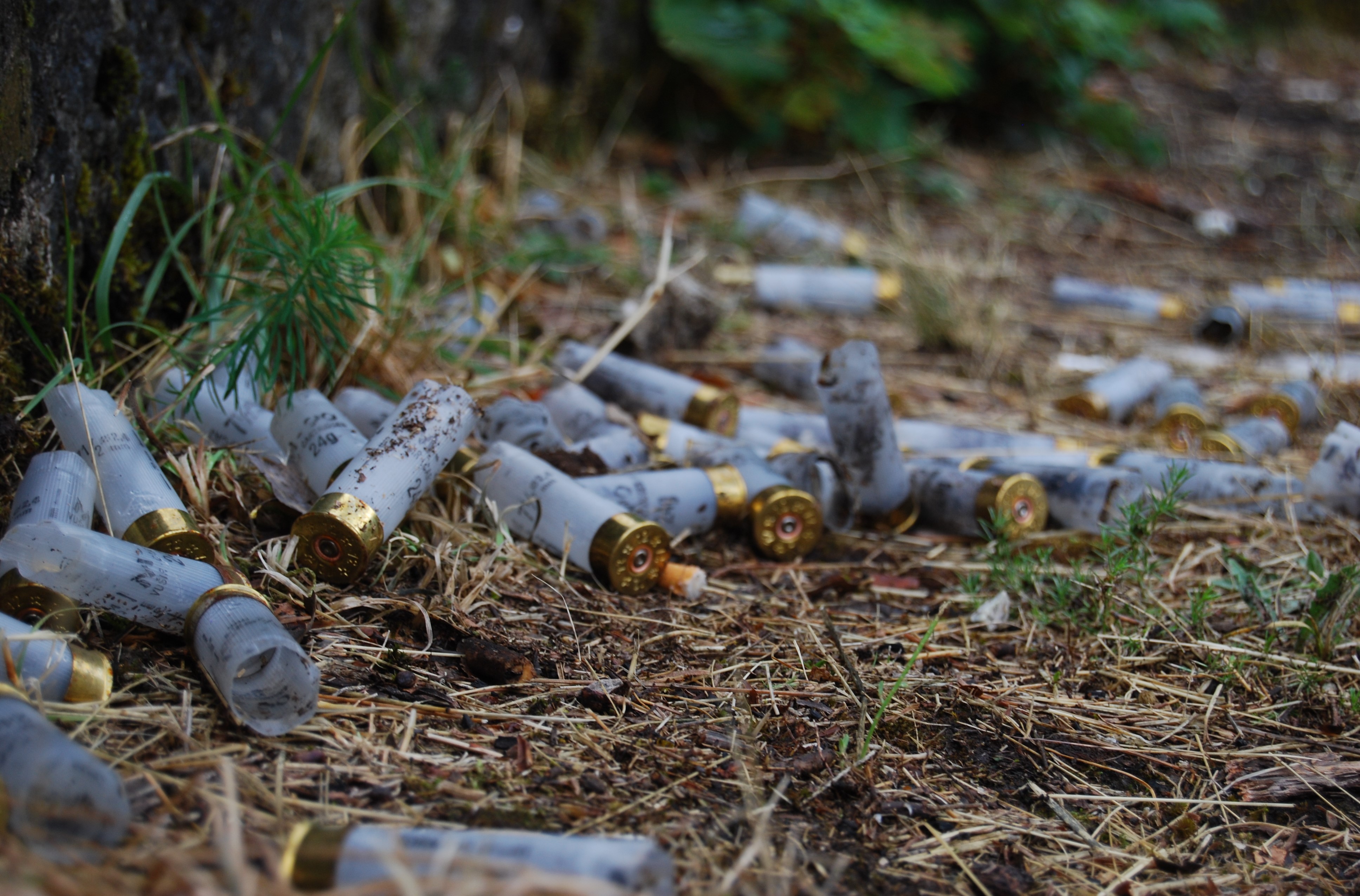
Bullets near Crkvice

Bullets near Crkvice

However, local hunters do not always respect hunting regulations and bullets can be noticed around. I trust that this will change in time with the increased awareness of local people and more and more nature lovers, visiting Boka Kotor bay, admiring its magnificent nature.

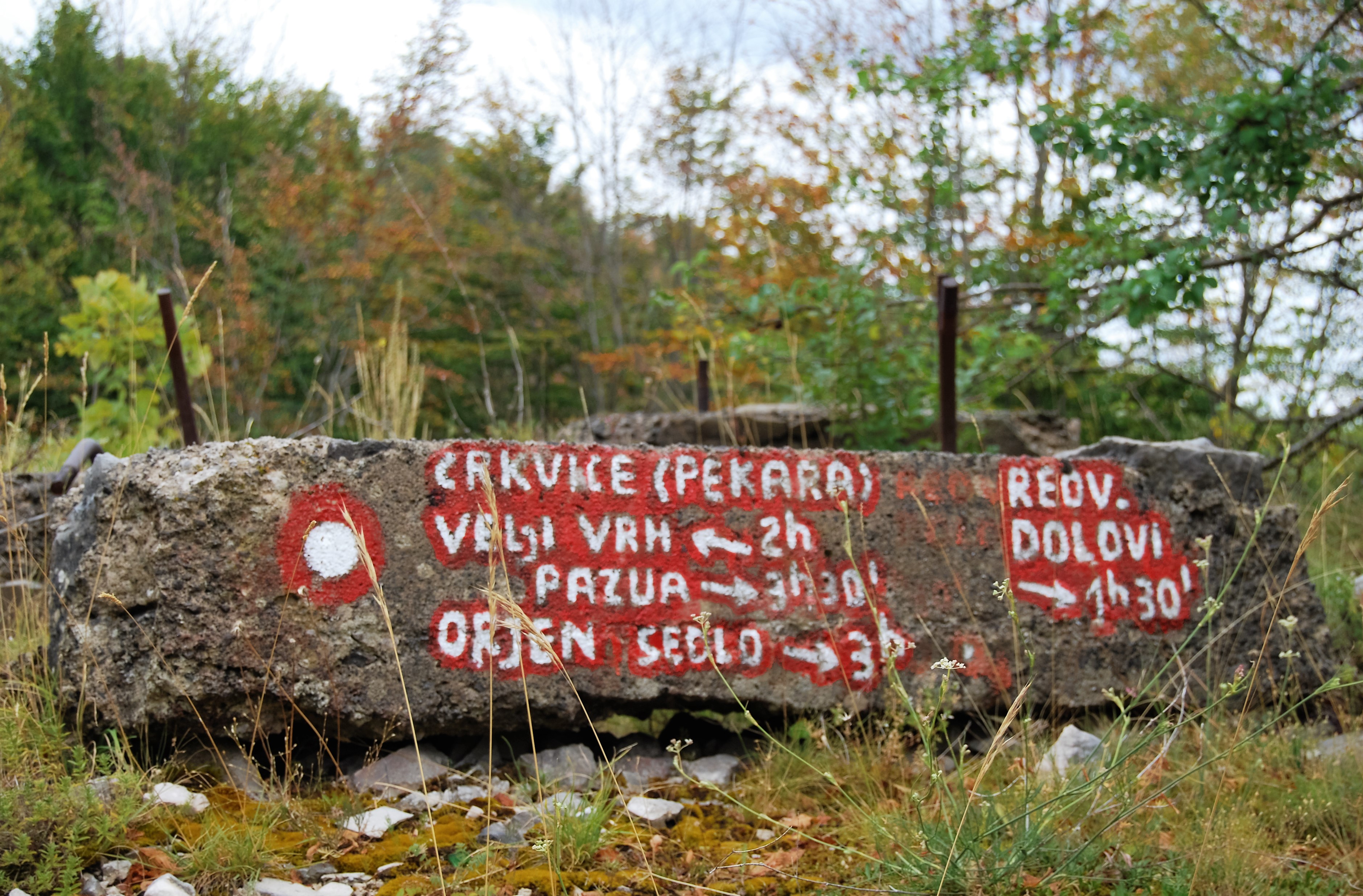
Ideas for hiking in the area

Ideas for hiking in the area

Crkvice is great for hiking as well. Though easily accessible by car – less than half an hour drive from Herceg Novi – the site is a very suitable starting point for several walking trails that lead to spectacular views and are getting very popular. Local mountaineering clubs Niskogorci and Subra are maintaining mountaineering trails on Orjen and do great job in promoting outdoor activities in the area.

I certainly don’t qualify for a professional birder. But birdwatching can be such fun! Especially, if not taken too seriously. Hours pass by listening to the sounds of nature, something that can rarely be experienced in our everyday lives. And as I had been trying my best to spot nuthatches and tree creepers, another joke from our Montenegrin guides came across. Days spent in laughter!

Upon my return home, I learned that these same enthusiasts from Niskogorci club introduced a new climbing route, called ‘nuthatch’ (brgljez), named after the only European bird that can climb head down. I just love this dedication and Montenegrin sense of humour!

New climbing route by Niskogorci

New climbing route by Niskogorci

Special thanks to Nativa Institute and Rok Rozman!

Strateški razvojni načrt Ortopedske bolnišnice Valdoltra / Strategic Development Plan of the Orthopaedic Hospital Valdoltra

Ankaran, Marec 2016

Strateški razvojni načrt Ortopedske bolnišnice Valdoltra

Inoini svetovalci soustvarjajo pripravo Strateškega razvojnega načrta Ortopedske bolnišnice Valdoltra za obdobje 2016-2020. Gre za interaktiven proces priprave strategije, v katerega je vključenih več kot 30 zaposlenih bolnišnice.[:en]Ankaran, March 2016

Strategic Development Plan of the Orthopaedic Hospital Valdoltra 

Inoa experts are co-creating Strategic Development Plan of the Orthopaedic Hospital Valdoltra, addressing key strategies and actions of this renowned medical institution in the period 2016-2020. More than 30 employees are involved in this interactive strategy development process.

Top 5 Highlights for Nature Lovers in the Boka Kotor Bay

The Old Town of Kotor, its fortifications, and the surrounding villages have been widely publicized ever since Kotor repeatedly appeared on Lonely Planet’s lists of top places to visit.

The wider Boka Kotorska Bay area offers some truly remarkable experiences for nature lovers as well. Through a non-profit initiative called BETSA (Birdwatching and Eco Tourism of the South Adriatic), we had the opportunity to work with environmentalists and authentic local tourism providers. These are our top five highlights for nature lovers:

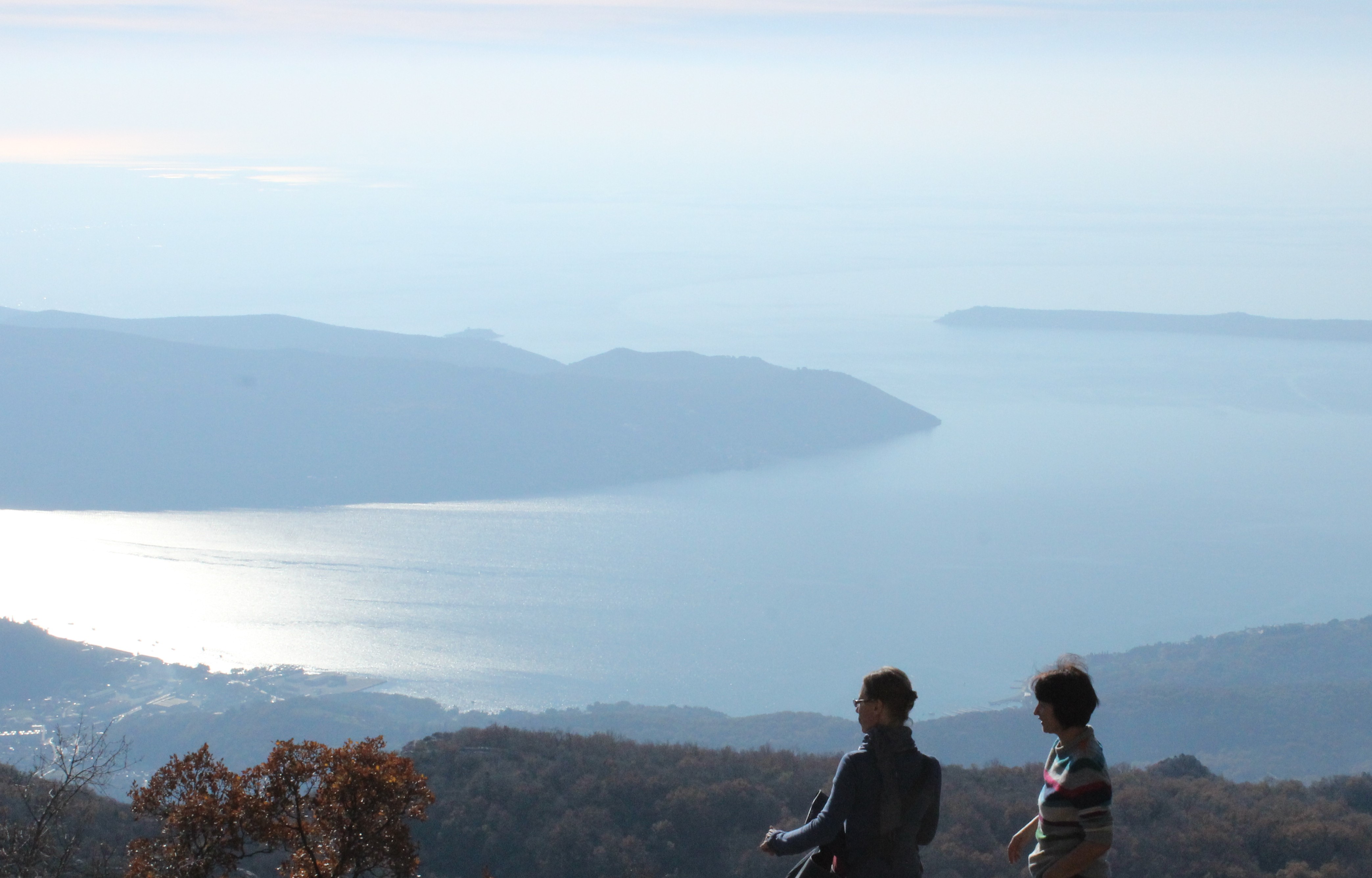
View from Orjen; Photo: Miljan Novaković

View from Orjen; Photo: Miljan Novaković

1. Tivat Salt Pans

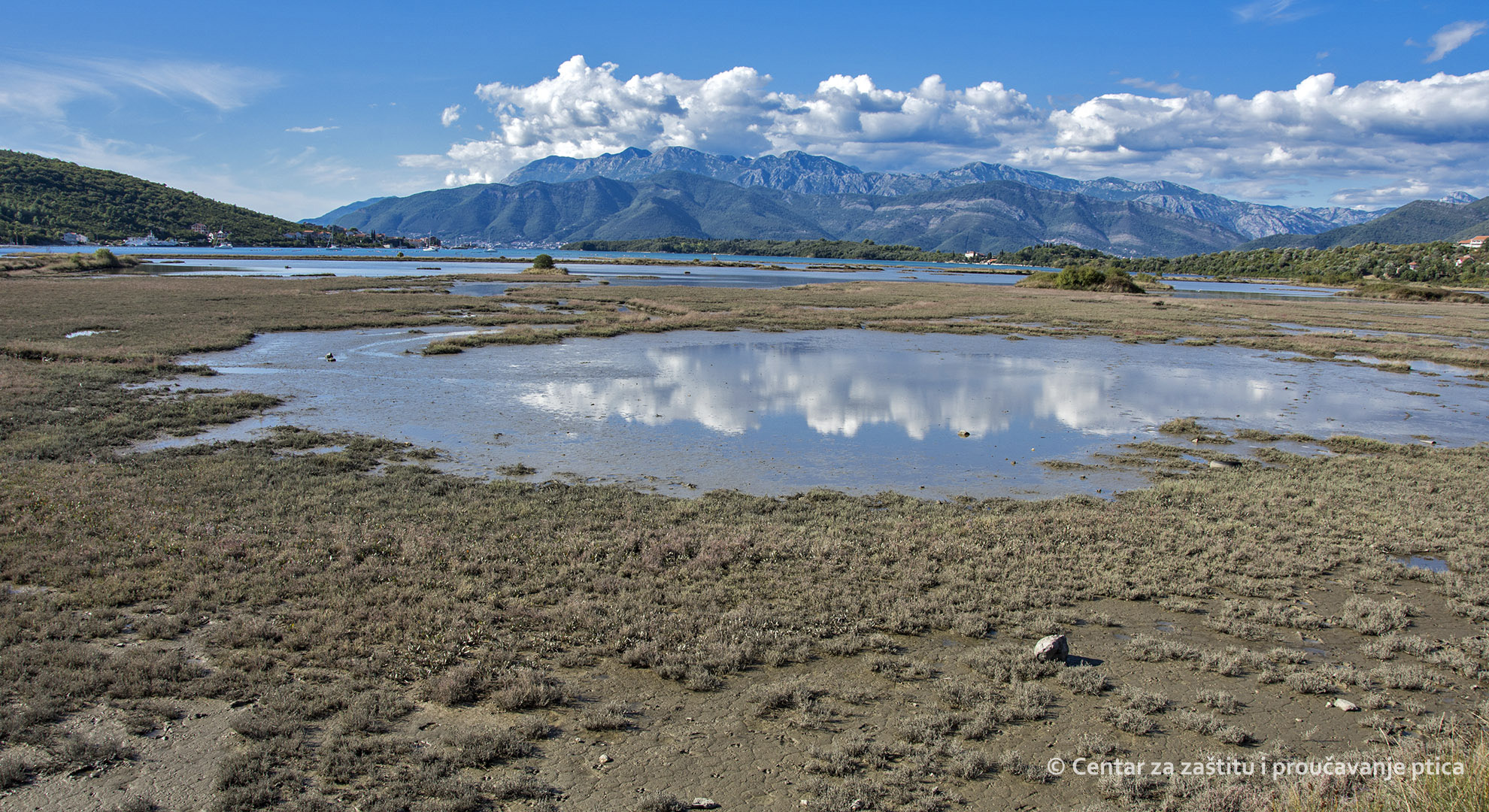
The Tivat Salt Pans, an ornithological reserve protected under the Emerald Network and listed as a Ramsar site, are a unique biodiversity gem. The most nature-friendly ways to explore the area are by kayak from Tivat, by bicycle or on foot via a 3-kilometre trail starting near Tivat Airport.

DSC_4142

Tivat Salt Pans; Photo: CZIP

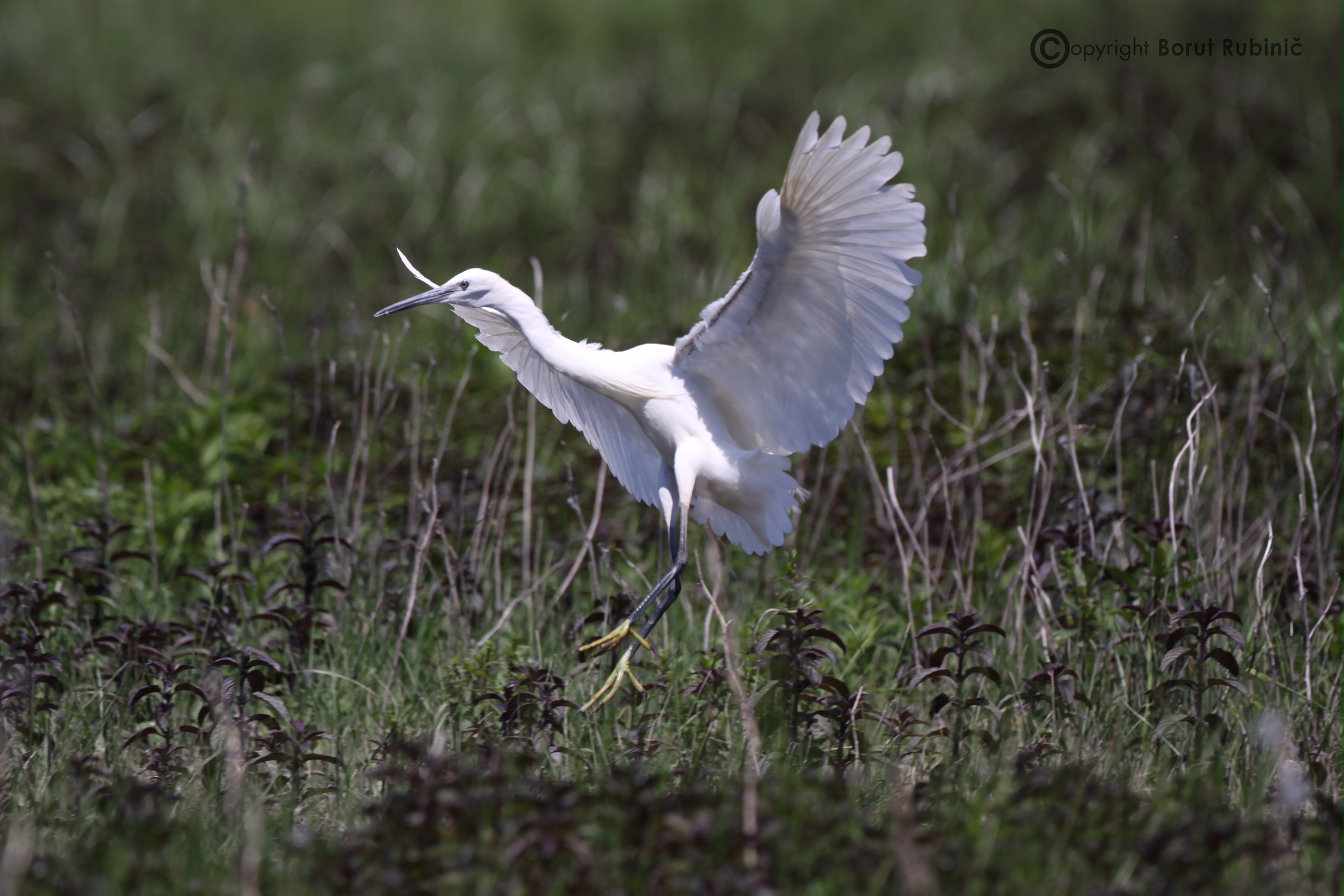
The natural and cultural heritage of the Tivat Salt Pans is presented by young, enthusiastic guides from the Center for Protection and Research of Birds (CZIP), a non-governmental organization that runs an information point on site. A wide variety of birds can be observed throughout the year, including herons, several species of ducks, coots, snipes, woodcocks, cormorants, gulls, ibises and many more. In spring, the scenery becomes especially impressive, as large flocks of European water birds pass over the salt pans during their migration.

 on Tivat Salt Pans; Photo: Borut Rubinić

Little Egret on Tivat Salt Pans; Photo: Borut Rubinić

We recommend visiting the reserve either early in the morning or later in the afternoon, just before sunset, when the light over the salt pans becomes truly spectacular.

2. Exploring Mount Orjen

Vilino Guvno on Orjen; Photo: Željko Starčević

Vilino Guvno on Orjen; Photo: Željko Starčević

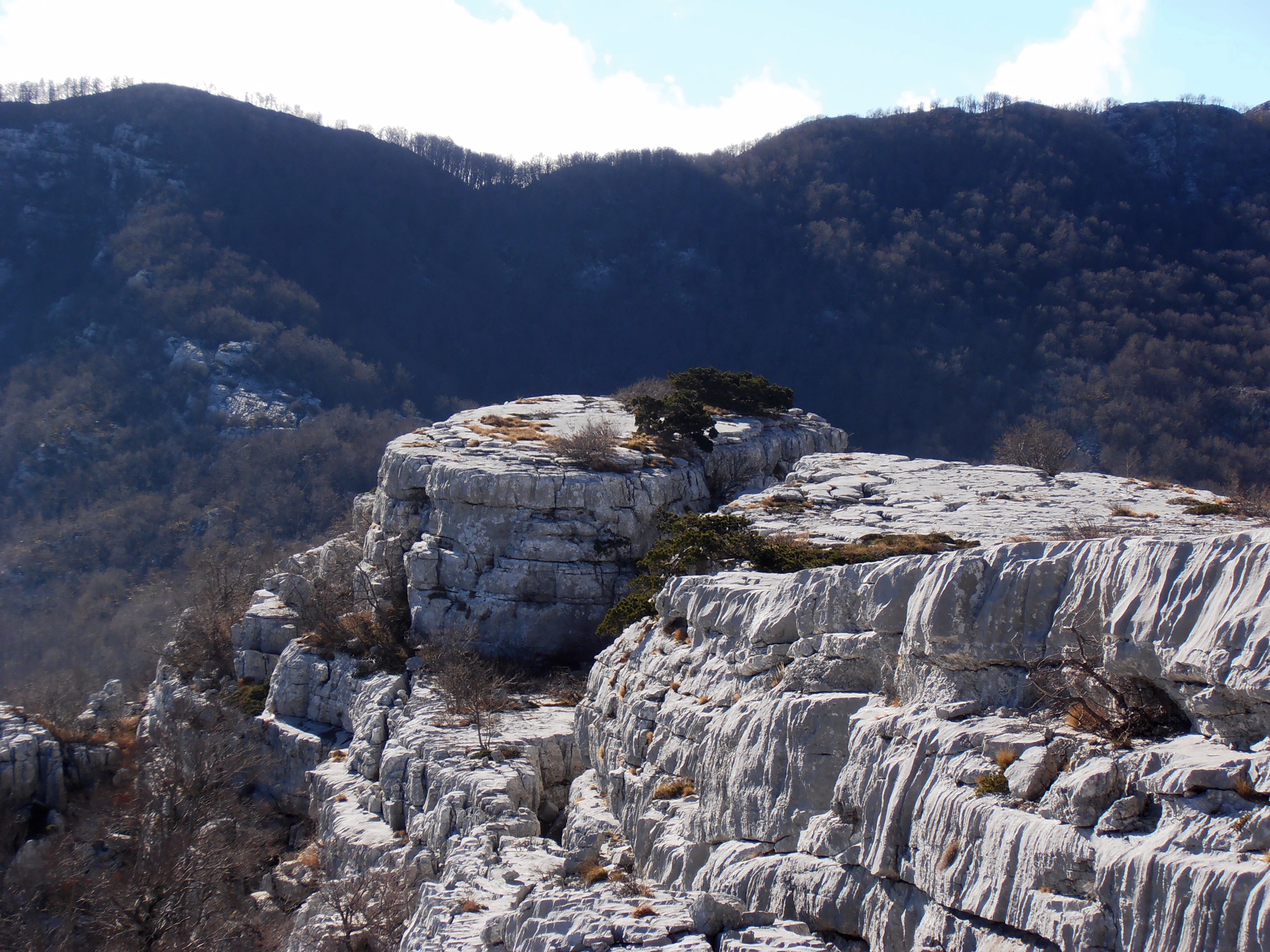
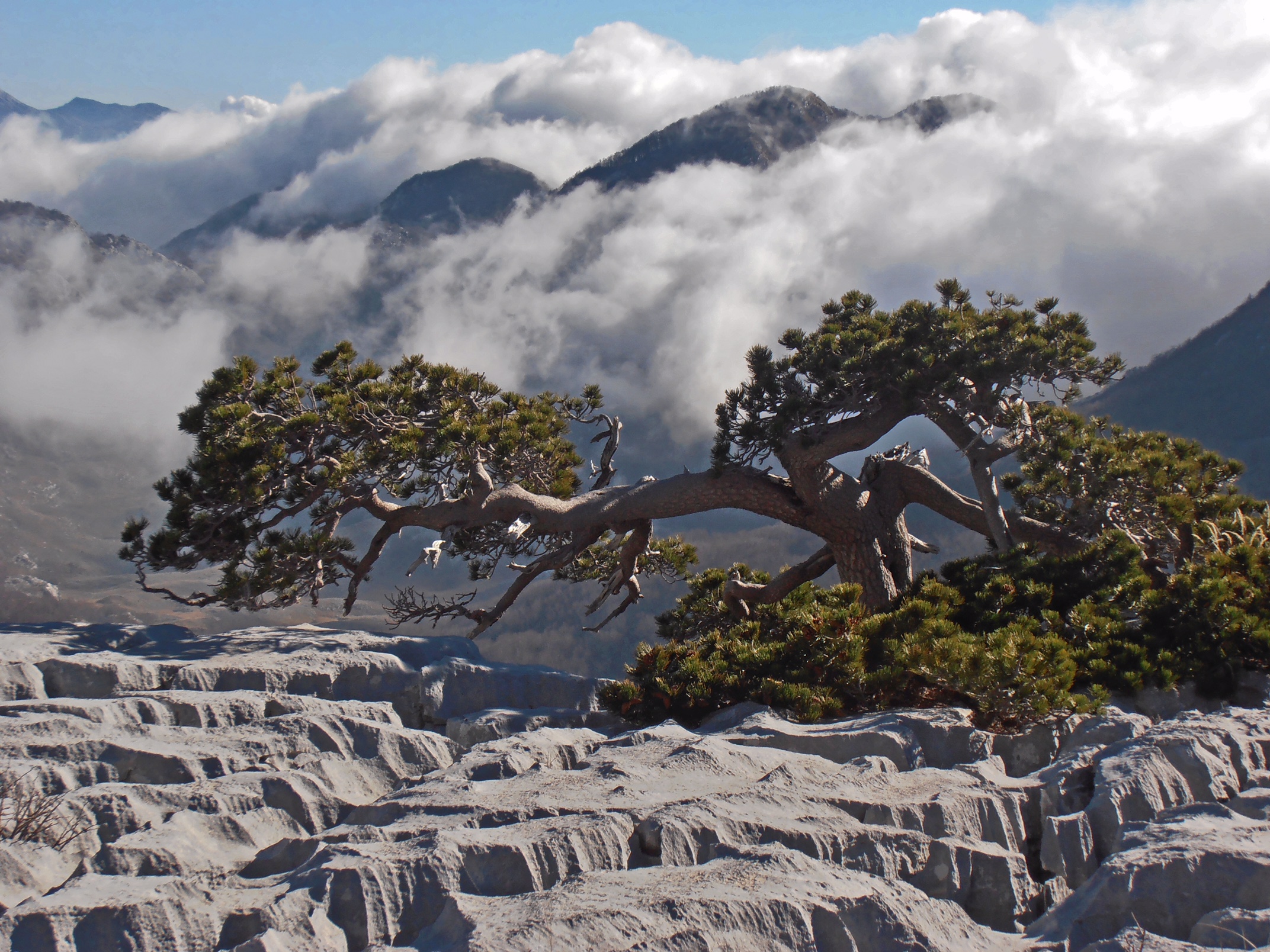
Orjen is the highest mountain range in the Mediterranean region of the Dinaric Alps, and the area has recently been declared a regional park. The first mountaineering trails, along with several fortifications, date back to the 19th century, during the Austro-Hungarian era. The plateaus beneath Subra are majestic examples of karst microrelief, while the “Subra Amphitheatre” stands out as one of nature’s most remarkable sculptural creations. Numerous speleological sites are scattered throughout the area, adding to Orjen’s wild and mysterious character.

Orjen Authentic Pine (Munika); Photo: Željko Starčević

Unique Bosnian Pine on Orjen (Pinus Heldreichii); Photo: Željko Starčević

The best way to begin exploring the mountain is from the edge of Herceg Novi, at Matkovića Most, near the village of Matkovići on the road from Herceg Novi to Trebinje.

From there, a one-hour hike along a stony trail leads to the Kotobilj forest. Afforested in the 1930s, this area remains an almost untouched oasis of mixed stands of Bosnian pine and cypress, offering a rich and quietly layered landscape. The surroundings hold much to discover. A visit to the small churches of St. Peter and St. Paul, as well as the Church of St. Stephen, is especially rewarding. It is also worth taking the path up to the so-called “Secret Hill,” which rises above the village of Kameno. Once a military fortress, it now offers a compelling blend of history and nature. From its summit, some of the finest views over the bay can be seen, along with flocks of migratory birds during the spring and autumn passages.

On the way back, a little village Trebesin is also worth visiting. Its name is said to derive from the French expression of admiration, “très bien.” Here, a delicious traditional meal can be enjoyed in a local konoba.

3. Moonlight in Žlijebi Village

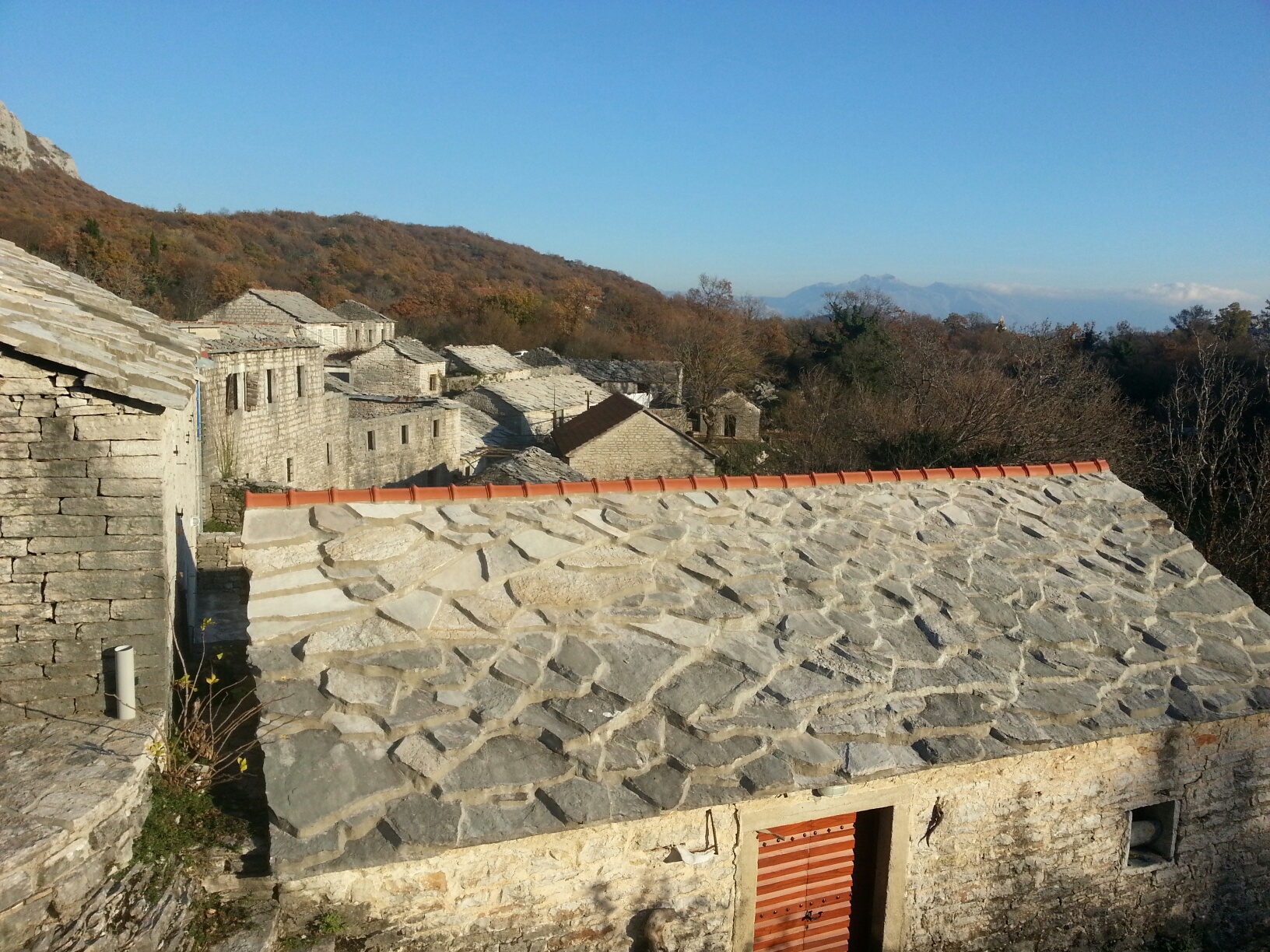
The small, almost abandoned Dinaric village of Žlijebi is known for its unique stone houses with interlaced limestone roofs. Everything here is built from stone—poultry houses, paths, walls and, unsurprisingly, the Church of St. Nikola too. Nikola Sikimić, a local master stonemason, is one of the few remaining craftsmen who can demonstrate how limestone slabs are carefully gathered by hand so they do not break. With great care and deep respect for the village’s heritage, he has restored a beautiful complex of traditional houses, now open to visitors.

Žlijebi Village

Žlijebi Stone Houses; Photo: Tadeja L. Colnar

More than anything, Žlijebi offers simplicity and peace. On a full-moon night, the entire village seems to glow, its stone surfaces catching and reflecting the light in a quiet shimmer. Truly unforgettable!

4. Hiking Vrmac

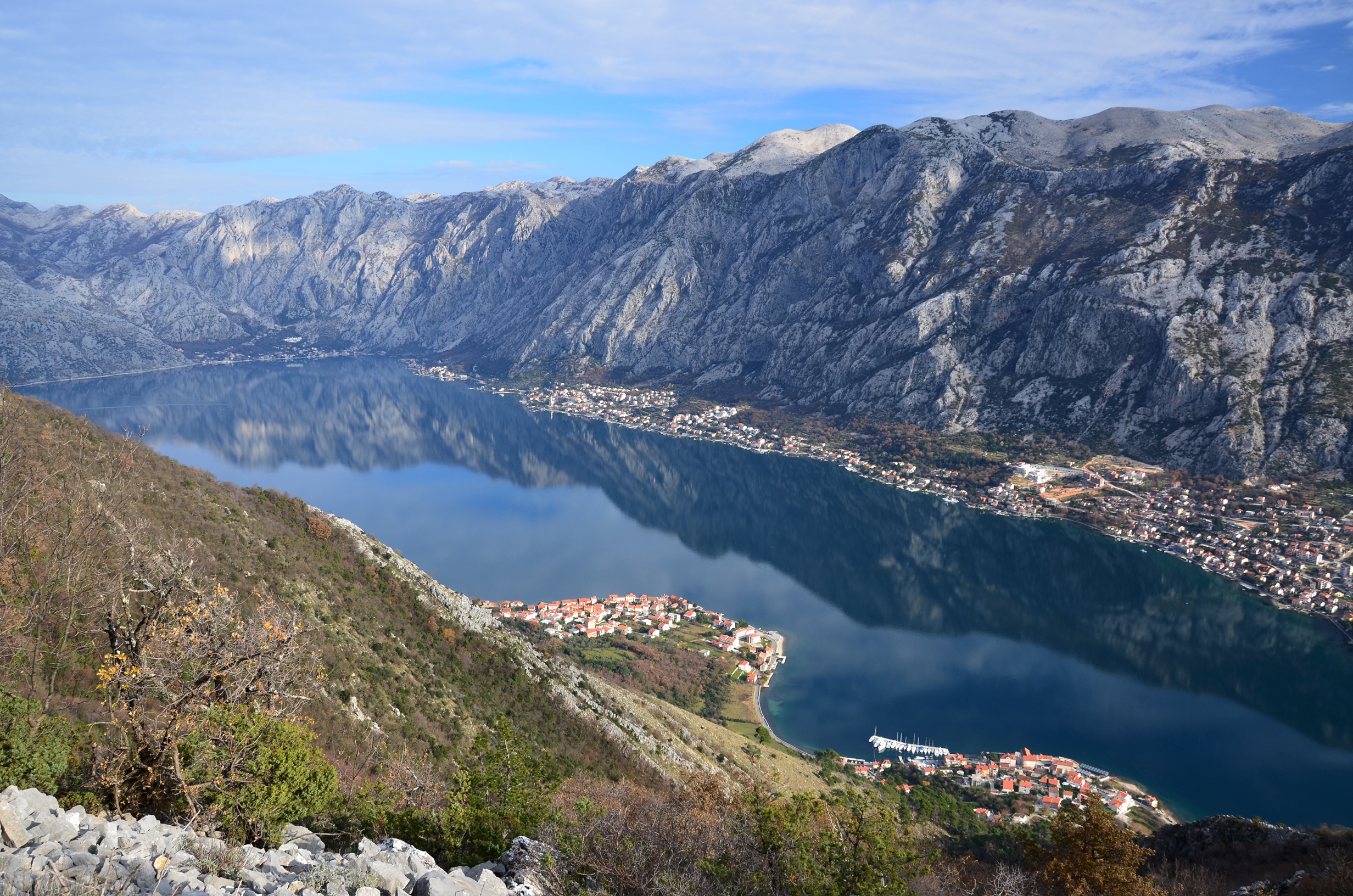
Mount Vrmac is a peninsula dividing Kotor Bay from Tivat Bay. On the Kotor side, it forms part of the UNESCO World Heritage area, while on the Tivat side it is designated as a regional park. A network of marked trails, once connecting settlements and Austro-Hungarian fortifications, now leads hikers through landscapes that open onto spectacular views over both bays.

There are several ways to explore Vrmac on foot. For those seeking an easier hike, a 4–5 hour trail begins at the Austrian fortress and follows the slopes of Vrmac to the highest peak, Sveti Ilija (St. Elijah, 785 m a.s.l.). From there, the panoramic views over the Kotor and Tivat Bays are especially striking.

image4

View from Vrmac; Photo: Klaudio Katelan

There is also the option of longer hikes, starting in the Old Town of Kotor and continuing across Vrmac all the way to the village of Gornja Lastva. Local guides can help you with this route. Along the way, it is worth paying attention to the drumming sounds of woodpeckers, whose presence is a sign of highly preserved forests in this area.

Vrmac is attractive in every season. The Camellia Festival brings a spring overture to the festivities of Boka, celebrating a flower that symbolizes maritime tradition and the region’s long-standing connections with the wider world. Summer is marked by the Upper Lastva Festival, when the village comes alive with cultural events and gatherings. In late autumn and early winter, chestnuts take centre stage during the Chestnut Festival in Donji Stoliv—an astonishing reminder of how many culinary delights can emerge from a single ingredient.

5. Kotor Town Walls

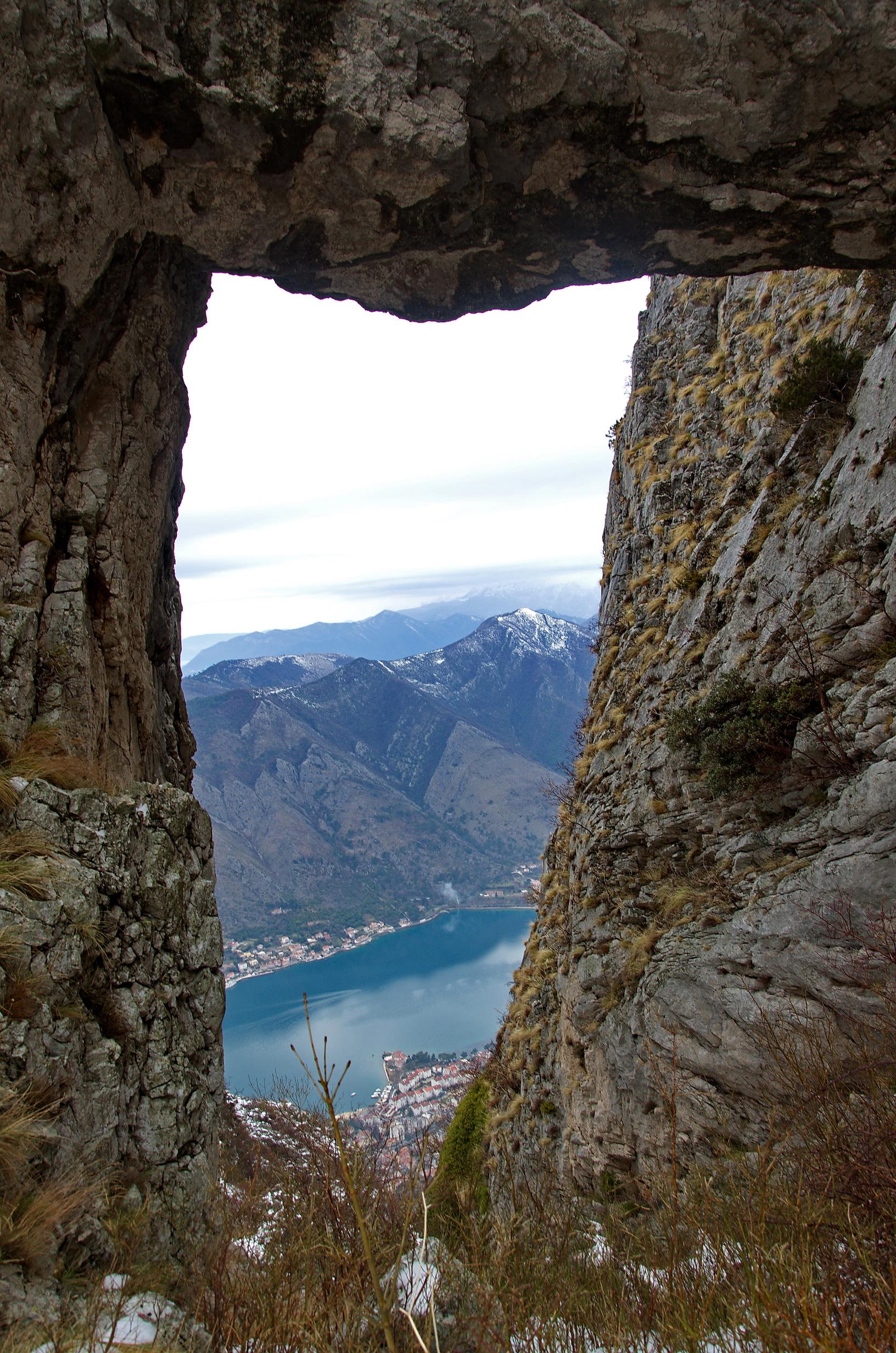
Although one of Kotor’s best-known attractions, a walk along the city walls above the Old Town remains essential. Setting out at sunrise helps avoid the crowds and adds a special quality to the experience. Nature lovers, however, may choose a slightly different approach: at the very top, near the Fortress of Sveti Ivan (St. John), an unmarked path continues through “the window” towards the village of Špiljari.

Fairy's Doors; Photo: Klaudio Katelan

Fairy’s Doors; Photo: Klaudio Katelan

Perhaps a small village bar is open, offering a quiet place to rest and reflect at the end of the journey. Here, you might taste the best pomegranate juice you have ever had, served simply, but with unmistakable care, while sitting in traditional Montenegrin chairs overlooking Vrmac, the Old Town, and the sea beyond. In that moment, the landscape unfolds once more—subtle, timeless and quietly unforgettable.

Off the Beaten Track in Slovenian Istria

Slovenia’s Northern Istria is marked by salt, sun, rich soil, fresh breezes, and the colours and smells of the sea. Nestled at the top of Adriatic Sea, between Italy and Croatia’s more famous coastlines, the Istria has been at the crossroads of Slavic and Roman cultures for millennia.

Just beyond the leisurely bustle of the historic coastal towns of Piran, Portorož, Izola and Koper, the hill country is rarely explored by visitors and the rhythms of life remain in tune with the seasons and proud traditional livelihoods. With a time-honoured reputation for healthful living, the region offers experiences, activities and nourishment that leave you feeling vibrant and healthy.

Inspirations from Kozina Homestead

Inspirations from Kozina Homestead

Touch of Salt, Sea and Art   

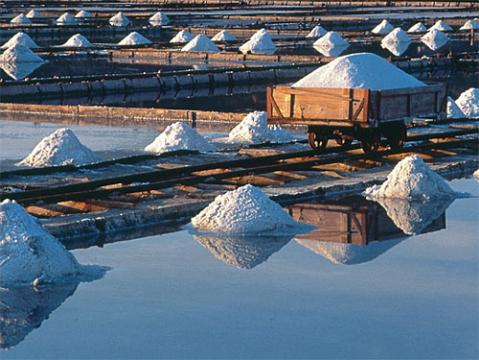
Salt production has shaped the landscapes of northern Istria for centuries, from Croatia to Venice. Today, few remain visible, and the Sečovlje salt pans are the only ones that have continued to produce salt using traditional methods for over 700 years. Merging modern design and tradition, Sečovlje Salina has created several successful lines of salt products that are used by chefs in the most renowned restaurants around the world. It’s fun to hear and touch the stories of the salt pans, participate in the salt-makers’ good-luck ritual, and collect salt from salt pans in the traditional way.

Salt at Sečovlje Salt Pans; Photo: Soline, Pridelava soli

Sečovlje Salt Pans; Photo: Soline, Pridelava soli

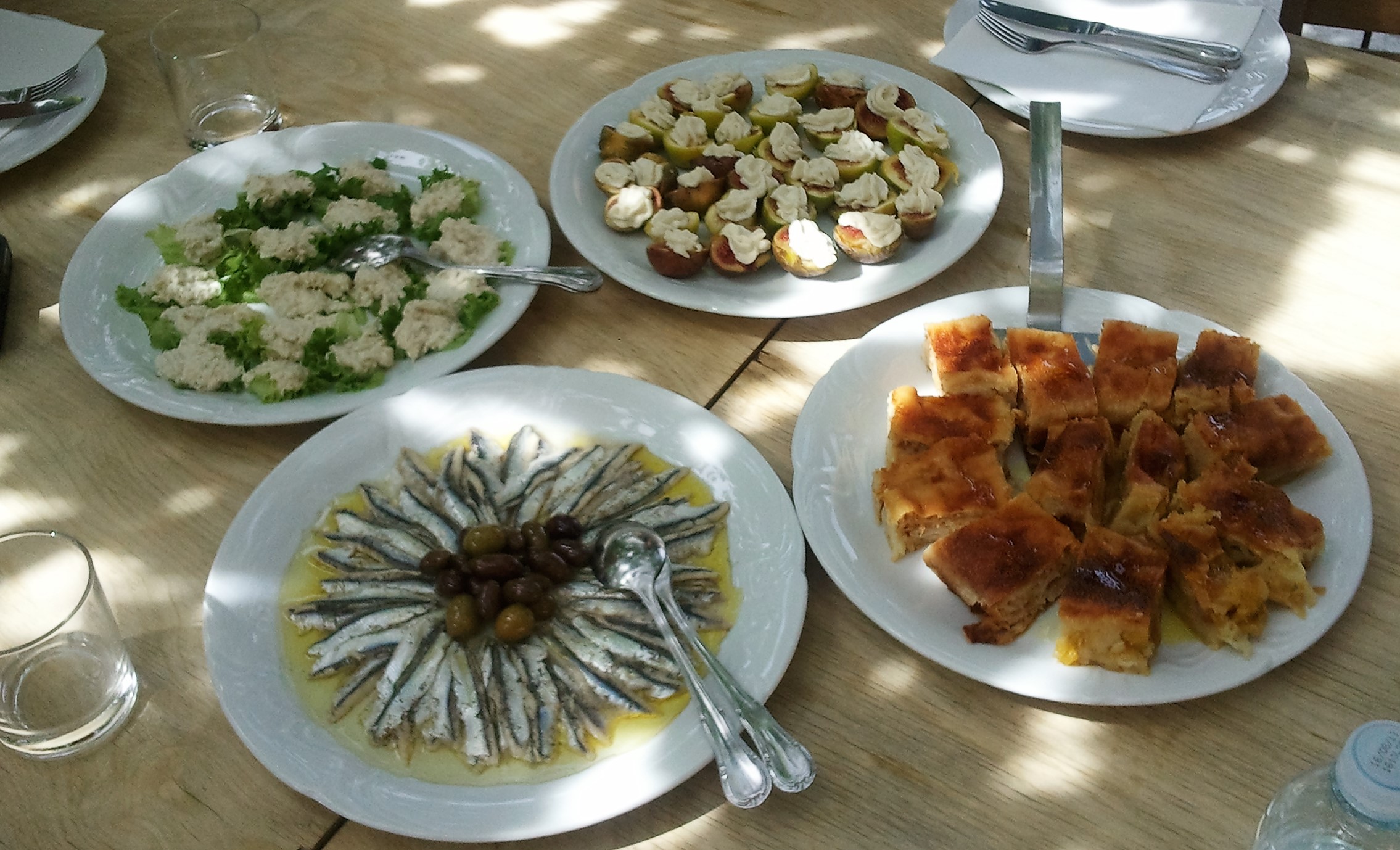
For a bit of afternoon decadence, enjoying a leisurely lunch with Maršič family is recommendable. They prepare food with ingredients that come from nearby gardens and local farmers. With passion, they create traditional dishes with a modern interpretation. Tastes and aromas of the sea, olives, orchards, herbs, and vegetable gardens seem to be so pure.

SAMSUNG

Delicious and Simple Istrian Gastronomy

Nearby Forma Viva sculptures are a great place to end the day, gazing over a hauntingly beautiful view of the sea and salt pans that have inspired artists for centuries.

Days in Communion with Nature

Several families in Slovenian Istria embody the values ​​of sustainable living, working in harmony with natural systems and in respect for the earth. Exploring their bountiful gardens and orchards and taste the fruits of their land including teas made from cultivated and wild herbs, jams and spreads, and other goodies, is a unique experience. Many of these farm fresh delicacies rarely appear on modern menus and are almost completely forgotten outside the rural areas.

SAMSUNG

Garlic and Olive Trees

Celebration of Istrian soil which gives birth to the irresistible flavors and aromas of the Mediterranean may take several days here. In a typical Istrian clustered village of St. Peter, it is interesting to visit the Tonina House, a traditional stone building that houses a fascinating ethnological collection of everyday Istrian life up through the middle of the 20th century.  From there you can find your way through olive groves, garlic fields, and the cultural landscapes of the countryside and look for Krkavče village, known for mystical energy stones and an ancient church which stands on a rock.

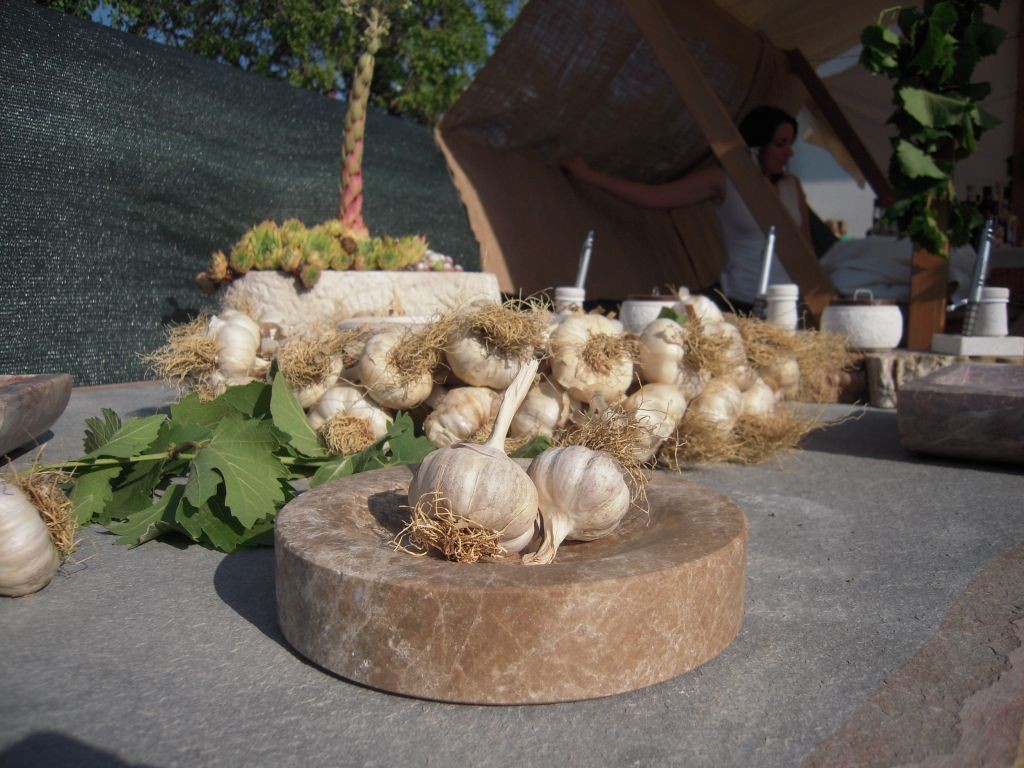
Nova Vas (New Village), named after all of the original inhabitants died from the plague, is something special, too. It was built along with a garlic tower to honor its famous garlic production. Istrian red garlic is known to be very aromatic and healthful. It is said that this is the village with a most powerful breath, and that it was widely avoided by Count Dracula, when he traveled to the West.

Istrian Garlic; Photo: Slomedia

Istrian Garlic; Photo: Slomedia

It’s time for olive oil! Munda Family Farm is renowned for its premium Istrian olive oil, produced using traditional organic methods. The owners, Tatjana and Vlado Munda, create original olive-based recipes: chocolate with olives, jam made of olives, polenta (corn meal) with olives and whatever new dishes they have concocted.

In the old Roman Empire only Istrian olive oil was of high enough quality to be used in food preparation. Most olive oil came from Mediterranean regions further to the south and was used as massage oil or lamp and torch oil. At that time quality olive oil and wine were status symbols that signaled cultural superiority. Both were also known for their healing properties.

Persimmon, Golden Fruit Gardens

In November,  picking ripe persimmons from the orchards at Silvano Knez farm is a memorable experience. Silvano is one of the founders of the famous Persimmon (‘kaki’) Festival of Strunjan which attracts over 15,000 people. The popularity of this festival dramatically increased demand and brought an end to the uncertainties of persimmon production in the region – ‘kakis’ became the golden fruit again.

Special thanks to Kelli Rose Pearson!

Ambasadorka Hiše žive dediščine

Šmarješke Toplice, 27. september 2014

Ambasadorka Hiše žive dediščine

Naša sodelavka, mag. Tadeja L. Colnar, je postala ambasadorka Hiše žive dediščine v Šmarjeških Toplicah. Naziv ji je podelila županja mag. Bernardka Krnc. Inoa bo še naprej s simpatijami soustvarjala trajnostni razvoj v tej deželi zdravilnih vrelcev.

Hrvaška in EU strukturni skladi

Split, 14. januar 2014

Hrvaška in EU strukturni skladi

Inoa je v sodelovanju s hrvaškim partnerjem Poslovna učinkovitost d.o.o. v Splitu izvedla usposabljanje za EU strukturne sklade.